Understanding Machined Stainless Steel Parts
Machined stainless steel parts play a vital role in various industries, thanks to their versatility, strength, and durability. They are meticulously crafted components made from high-grade stainless steel, which is known for its excellent corrosion resistance and ability to withstand high-pressure environments. As industries continue to evolve and demand more precise components, the need for high-quality machined stainless steel parts becomes ever more critical. Understanding the attributes that make these parts unique can significantly influence the success of a project.
What Are Machined Stainless Steel Parts?
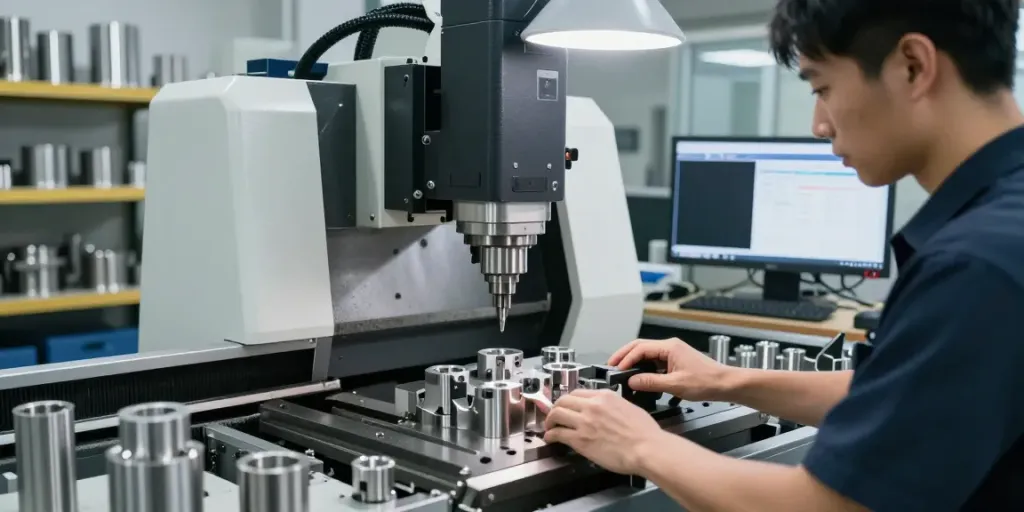
Machined stainless steel parts are components that have been shaped and finished through various machining processes, such as CNC milling and turning. These parts begin as raw stainless steel material, which is then subjected to precise cutting and shaping to create the desired specifications. The result is an array of durable components, suitable for use in demanding environments. The machining process is typically utilized to produce parts that require intricate designs with tight tolerances.
Key Characteristics of Stainless Steel Grades
Stainless steel is categorized into various grades, each possessing unique properties that can affect their machinability and suitability for specific applications. Among the most commonly used grades are:
- 304 Stainless Steel: Highly versatile, known for its excellent corrosion resistance and ease of fabrication.
- 316 Stainless Steel: Contains molybdenum, enhancing its resistance to pitting and corrosion, ideal for marine environments.
- 410 Stainless Steel: Offers high strength and hardness, suitable for applications requiring wear resistance.
Choosing the right grade depends on the application requirements, such as exposure to corrosive elements, the mechanical loads the part will endure, and environmental conditions.
Applications Across Various Industries
The applications of machined stainless steel parts span multiple sectors, including:
- Medical Industry: Surgical instruments, implants, and sterilization equipment rely on stainless steel's biocompatibility and corrosion resistance.
- Food Processing: Equipment used in food manufacturing must meet strict hygiene standards, making stainless steel an ideal material due to its easy cleanability.
- Chemical Engineering: Components need to withstand harsh chemicals, where stainless steel's resistance to corrosion is invaluable.
CNC Machining Processes Explained
CNC (Computer Numerical Control) machining offers unparalleled precision and efficiency in producing machined stainless steel parts. This section delves into the various techniques and advantages of CNC machining.
Different CNC Machining Techniques
CNC machining encompasses several techniques to create complex geometries, including:
- CNC Milling: Utilizes rotary cutters to remove material and produce flat surfaces, slots, and complex shapes.
- CNC Turning: Involves rotating the workpiece while a stationary cutting tool removes material, often used for cylindrical parts.
- CNC Laser Cutting: Employs focused laser beams to cut through materials, providing high accuracy and reduced waste.
Each technique has its strengths, allowing manufacturers to choose the most suitable method based on the part design and material properties.
Advantages of CNC Machining for Stainless Steel
Using CNC machining for stainless steel parts provides numerous benefits, such as:
- Precision: CNC machines can achieve high levels of accuracy, producing parts that meet exact specifications.
- Efficiency: Automated processes reduce production time and ensure consistency across multiple parts.
- Flexibility: CNC machining allows for the quick adaptation of designs, making it easier to accommodate project changes.
How CAD/CAM Enhances Production Quality
Computer-Aided Design (CAD) and Computer-Aided Manufacturing (CAM) play critical roles in ensuring high-quality production of machined stainless steel parts. CAD software aids engineers in designing intricate components, while CAM translates these designs into machine-compatible instructions. This integration enhances accuracy, minimizes errors, and speeds up the manufacturing process.
Choosing the Right Stainless Steel Parts for Your Project
Selecting the appropriate machined stainless steel parts for specific projects necessitates careful consideration of various factors that can influence performance, longevity, and safety.
Factors to Consider in Material Selection
When choosing stainless steel parts, consider the following factors:
- Corrosion Resistance: Evaluate the environment where the part will be used to pick a grade with appropriate resistance.
- Mechanical Properties: Assess the strength, toughness, and ductility needed for your application.
- Manufacturability: Some grades are easier to machine than others, which may impact production costs and lead times.
Common Misconceptions About Machined Parts
Many people misunderstand the properties and capabilities of machined stainless steel parts. One common myth is that all stainless steel grades have similar machinability. In reality, machinability varies significantly between different grades, impacting the choice of machining tools and techniques.
Industry-Specific Requirements and Standards
Various industries have stringent regulations and standards that must be adhered to when manufacturing stainless steel components. Understanding these requirements is crucial for ensuring compliance and optimal performance.
Quality Control in Machined Stainless Steel Parts
Quality control is paramount in the manufacturing of machined stainless steel parts, as it ensures that components meet the required standards for functionality and safety.
Importance of Strict Quality Control Measures
Implementing rigorous quality control measures contributes to the reliability of machined parts. Regular inspections and testing can identify defects early in the production process, reducing waste and rework.
Inspection Methods and Tools Used
Various inspection methods are employed to ensure quality, including:
- Visual Inspection: A simple yet effective method for identifying surface defects.
- Dimensional Measurement: Utilizing calipers and micrometers to verify critical dimensions against specifications.
- Non-destructive Testing (NDT): Techniques such as ultrasonic and radiographic testing assess material integrity without causing damage.
Ensuring Consistent Performance Under Stress
Machined stainless steel parts should be tested under simulated operational conditions to ensure they can perform reliably under stress. This helps identify potential points of failure before the parts are deployed in real-world applications.
Future Trends in Stainless Steel Machining
The landscape of stainless steel machining is evolving, influenced by technological advancements and shifting market demands. Keeping abreast of these trends is essential for manufacturers and consumers alike.
Emerging Technologies in CNC Machining
New technologies are revolutionizing CNC machining, including:
- Automation: Robotics and automation systems are being integrated to enhance production efficiency and reduce labor costs.
- Advanced Materials: Development of new alloys and composite materials expands possibilities for creating superior components.
- Internet of Things (IoT): Smart factories equipped with IoT technology enable real-time monitoring and data analysis to optimize operations.
Sustainability and Eco-Friendly Practices
As sustainability becomes a focal point in manufacturing, the industry is exploring greener alternatives. From energy-efficient machinery to eco-friendly materials, the focus is on reducing the environmental footprint associated with machining processes.
Predictions for the CNC Industry by 2026
By 2026, the CNC machining industry is expected to witness significant advancements, with a greater emphasis on automation, customization, and adaptive machining techniques that cater to specific client needs. The integration of artificial intelligence may also improve predictive maintenance, enhancing overall efficiency.
What Types of Machined Stainless Steel Parts Are Most In Demand?
The demand for specific types of machined stainless steel parts varies across industries. Components such as surgical instruments in the medical field and valves in chemical processing are expected to see continued growth, driven by advancing technology and stringent industry standards.
Can 316 Stainless Steel Be Machined Effectively?
Yes, 316 stainless steel can be effectively machined, though it requires specific tools and techniques due to its work-hardening properties. Understanding how to handle this material is crucial for producing high-quality components.
Which Stainless Steel Grades Are the Most Machinable?
Generally, grade 303 stainless steel is considered one of the most machinable grades due to its higher sulfur content, making it easier to cut and shape. However, grades like 304 and 316 are favored for their superior properties in various applications despite being slightly more challenging to machine.
How Are Machined Parts Used in the Medical Industry?
In the medical field, machined stainless steel parts are essential for creating surgical instruments, implant devices, and diagnostic equipment. Their biocompatibility and corrosion resistance make them ideal for applications that require high standards of hygiene and durability.
Where to Find Reliable Manufacturers of Machined Stainless Steel Parts?
Finding a reliable manufacturer requires thorough research. Look for companies with a strong reputation, proven track record, and adherence to industry standards. Customer reviews and testimonials can also provide insight into the quality of their work.