Understanding Containerized Wastewater Treatment
Containerized wastewater treatment systems represent a revolutionary approach to managing wastewater across various sectors. These systems are designed to tackle a plethora of water treatment challenges, ranging from domestic sewage to complex industrial effluent. By leveraging modular technology, containerized wastewater treatment offers rapid deployment, flexibility in operations, and adherence to strict environmental standards, all packaged in a convenient and transportable form factor.
What is Containerized Wastewater Treatment?
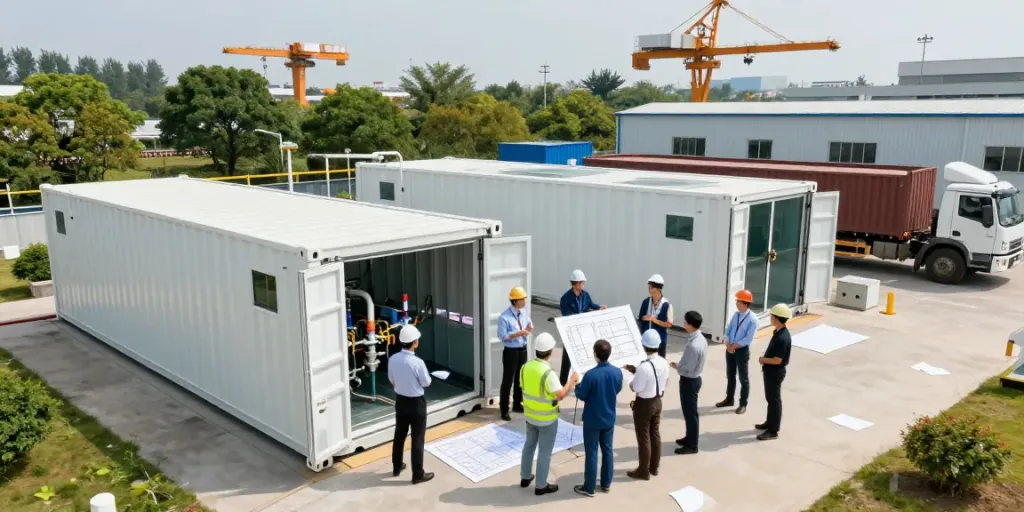
Containerized wastewater treatment refers to the process of managing and treating wastewater through pre-engineered systems housed within shipping containers. These systems are built to integrate various treatment processes such as screening, biological treatment, and disinfection, allowing for efficient processing of wastewater at or near the point of generation. This modular approach enhances accessibility and enables deployment in remote or challenging locations where traditional treatment facilities may not be feasible.
Key Components of Containerized Systems
Each containerized wastewater treatment system typically comprises several key components that work in harmony to ensure effective treatment:
- Inlet Works: Initial screening and grit removal to protect downstream processes.
- Biological Treatment Units: Utilizing aerobic or anaerobic processes to break down organic matter.
- Clarifiers: For separation of solids from treated water, enhancing clarifying efficiency.
- Disinfection Units: Often employing ultraviolet light or chlorination to eliminate pathogens.
- Control Systems: Automated systems for monitoring and managing treatment processes.
Benefits Over Traditional Wastewater Treatment Methods
Containerized systems provide numerous advantages compared to traditional wastewater treatment methods:
- Rapid Deployment: These systems can be quickly transported and set up on-site, often in just a few days.
- Scalability: Modular design allows for easy expansion or reduction based on demand.
- Cost-Effectiveness: Reduced labor costs and lower infrastructure investment than fixed plants.
- Space Efficiency: Compact design suitable for urban environments where space is at a premium.
- Flexibility: Easily relocatable, making them ideal for temporary setups or emergency response scenarios.
Deployment and Installation of Containerized Systems
Effectively deploying a containerized wastewater treatment system involves careful planning and execution. Understanding the technical requirements and logistics is critical to ensuring operational success.
Preparation for On-Site Installation
Prior to installation, it is essential to conduct a comprehensive site assessment. This includes evaluating soil conditions, access routes for transportation, and proximity to the wastewater source. Proper planning in this phase lays the groundwork for seamless installation and operation.
Transport Logistics and Site Requirements
Transporting a containerized wastewater treatment system necessitates logistical considerations, such as securing a flatbed truck and crane for unloading. Moreover, the site should be prepared with a level surface and access for utilities such as water and power. Aligning these logistical elements is crucial for minimizing downtime post-delivery.
Installation Best Practices and Timelines
Installation of containerized systems is typically rapid, often taking only one to two days. Best practices include following manufacturer guidelines closely and conducting rigorous testing of all components before commissioning. Early engagement with local regulatory bodies can also expedite the final approval process.
Regulatory Compliance in Wastewater Treatment
Compliance with environmental regulations is paramount in wastewater treatment. Understanding the local and national standards ensures that containerized systems operate within acceptable limits.
Environmental Standards for Containerized Systems
Containerized systems must adhere to environmental standards specific to wastewater treatment, which often include limits on effluent quality, discharge protocols, and reporting requirements. It is important for system operators to stay updated on these evolving standards to maintain compliance and avoid penalties.
Permitting Process and Documentation
The permitting process can vary significantly between regions. Typically, operators will need to submit detailed plans that outline the intended use and effluent parameters. Engaging with legal and environmental experts can streamline this process and ensure adherence to all regulations.
Monitoring Compliance Post-Installation
Once operational, ongoing monitoring is essential. This includes regular sampling of treated water and maintaining records of operational data. Compliance audits should be conducted to ensure that the system continues to meet the required standards as operational conditions change.
Real-World Applications and Case Studies
Containerized wastewater treatment systems are increasingly deployed across various sectors, showcasing their versatility and effectiveness in addressing diverse wastewater management challenges.
Successful Deployments in Urban Areas
In urban environments, where space and time are constraints, containerized systems have proven successful. Notably, several cities have implemented these solutions to treat stormwater runoff and reduce combined sewer overflows during heavy rain events. Their ability to fit into limited spaces allows for quick solutions to pressing municipal needs.
Handling Industrial Effluent Effectively
Industrial applications benefit significantly from containerized wastewater treatment systems. These systems can be tailored to meet the specific needs of industries ranging from food processing to pharmaceuticals. The modular nature allows for customization, enabling businesses to efficiently treat effluent produced during their operations.
Innovations in Containerized Wastewater Solutions
As technology evolves, innovations such as smart monitoring systems and advanced treatment technologies are being integrated into containerized wastewater treatment solutions. These advancements lead to increased efficiency, reduced operational costs, and enhanced treatment capabilities.
Future Trends in Wastewater Treatment Technology
The field of wastewater treatment is continually evolving, and containerized systems are at the forefront of these changes. As environmental regulations become stricter and the demand for sustainable solutions rises, the industry is moving toward more advanced technologies and practices.
Emerging Technologies for 2026 and Beyond
Technological advancements such as membrane bioreactors (MBRs) and advanced oxidation processes (AOPs) are gaining traction within containerized systems. These technologies promise higher treatment efficiencies and improved removal of contaminants, setting the stage for future applications.
Sustainability Practices in Wastewater Management
The drive for sustainability is influencing wastewater treatment practices, including energy-efficient processes and the use of renewable energy sources to power treatment operations. Containerized systems are particularly well-positioned to adopt these sustainable practices given their modular nature.
Preparing for Regulatory Changes and Challenges
As regulations surrounding wastewater management evolve, containerized systems must adapt to meet these new standards. Proactive engagement with regulatory bodies and ongoing staff training will be essential to navigate future challenges effectively.
What are the benefits of containerized wastewater treatment?
Containerized wastewater treatment offers numerous advantages, including rapid deployment, flexibility, and cost-effectiveness, enabling facilities to adapt quickly to changing conditions while maintaining compliance.
How quickly can a containerized system be installed?
Installation timelines typically range from one to two days, making containerized systems an attractive solution for urgent wastewater management needs.
What industries benefit from containerized wastewater treatment?
Sectors such as construction, food and beverage, pharmaceuticals, and municipal services have all found value in the deployment of containerized wastewater treatment solutions.
What standards must containerized systems comply with?
Containerized systems must comply with local and national environmental regulations regarding effluent quality, discharge limits, and operational transparency.
How does containerized treatment compare to traditional methods?
Containerized treatment systems offer enhanced flexibility, reduced installation time, and lower costs compared to traditional fixed treatment facilities, making them suitable for a variety of applications.