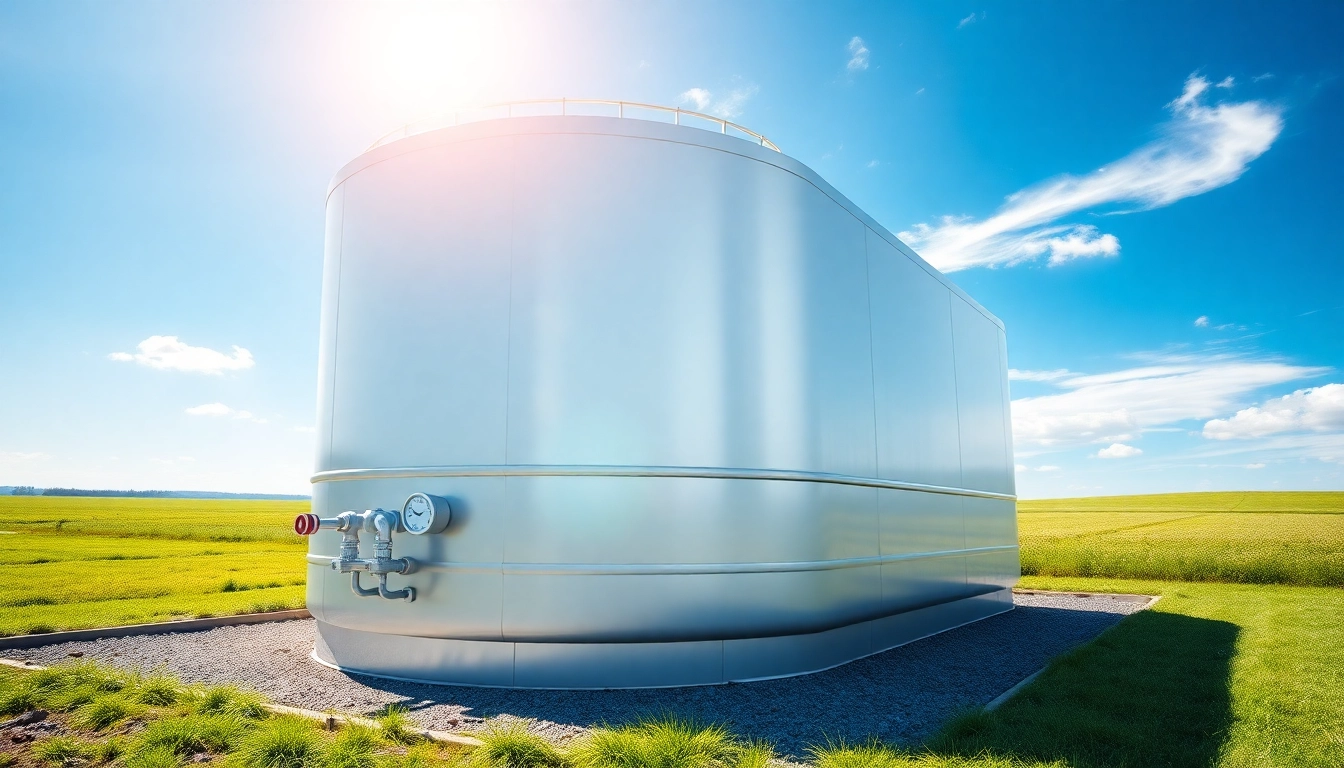
The Importance of Above-Ground Storage Tank Design
Above-ground storage tanks (ASTs) play a crucial role in various industries by providing safe and efficient ways to store liquids such as oil, chemicals, and water. With increasing regulatory scrutiny and heightened environmental concerns, a well-thought-out Above-Ground Storage Tank Design has become more essential than ever. A robust design not only ensures regulatory compliance but also protects the environment and the health and safety of workers.
Understanding Regulations and Standards
Designing a compliant AST involves an intricate understanding of local, state, and federal regulations. The Environmental Protection Agency (EPA) often mandates stringent guidelines to ensure that ASTs do not contribute to pollution and that they remain safe for operation. Key regulations include:
- Spill Prevention, Control, and Countermeasure (SPCC): This regulation is designed to prevent the discharge of oil into navigable waters and adjoining shorelines.
- National Fire Protection Association (NFPA): Sets standard codes for fire safety that must be adhered to during the design phase.
- American Petroleum Institute (API) Standards: API standards are essential benchmarks for the design, fabrication, and testing of tanks.
Understanding these regulations ensures that the design is compliant and mitigates risks associated with spills and hazards.
Key Design Principles for Durability
Durability in design refers to a tank's ability to withstand environmental and operational stresses. Some key design principles include:
- Material Selection: The choice between steel, fiberglass, or composite materials significantly impacts longevity.
- Corrosion Resistance: Incorporation of protective coatings can enhance the tank's resistance to environmental factors.
- Structural Integrity: Tanks must be engineered to handle the weight of the stored liquids, potential impacts, and pressure changes.
These principles not only extend the life of the AST but also ensure that it operates safely and efficiently.
Common Applications and Benefits
ASTs are extensively used across industries for various applications:
- Oil and Gas Industry: Used for storing crude oil and refined products.
- Water Treatment: Facilitates bulk water storage for municipal or industrial use.
- Chemical Processing: Enables safe storage of hazardous or non-hazardous chemicals.
The benefits include increased accessibility, reduced spill risks, and easier monitoring of stored contents.
Components of an Effective Above-Ground Storage Tank Design
Materials and Construction Techniques
Choosing the right materials is essential for the longevity and efficacy of ASTs. Steel remains the most common choice due to its strength and durability. However, alternatives such as fiberglass are gaining traction due to their corrosion resistance.
Additionally, innovative construction techniques like welded seams and bolted designs can enhance the structural integrity. Modern fabrication methods allow for more precise dimensions and tighter tolerances, which are critical for safety standards.
Safety Features and Environmental Considerations
Incorporating safety features into AST design helps minimize environmental risks:
- Secondary Containment: This includes features like dikes or double-walled tanks to catch leaks before they can escape into the environment.
- Leak Detection Systems: These systems alert operators to any breaches in the tank integrity.
- Emergency Relief Vents: Required to prevent pressure build-up during excessive heat or fire events.
Implementing these safety features not only complies with regulations but enhances public trust and reduces liability risks.
Maintenance and Inspection Protocols
Routine maintenance and inspections are vital to ensure long-term integrity and performance. A comprehensive maintenance program may include:
- Routine Inspections: Regular checks for corrosion, structural integrity, and leaks can catch issues early.
- Cleaning Regimens: Keeping the tank free from contaminants can extend its service life.
- Upgrades of Safety Systems: Regularly update emergency systems and testing protocols to ensure compliance.
These protocols ensure that ASTs remain compliant with regulations and perform their function safely and efficiently.
Implementing Best Practices in Above-Ground Storage Tank Design
Designing for Accessibility and Usability
Accessibility ensures that maintenance and inspection can be performed safely and efficiently. Designing walkways and fittings for easy access not only complies with safety regulations but also saves time and costs in the long run.
Usability should extend to equipment around the tank as well, ensuring that operators can monitor and manage stored contents effectively.
Integrating Technology for Monitoring
Modern AST designs increasingly incorporate technology to enhance functionality:
- Real-Time Monitoring Systems: Sensors can monitor tank levels, temperature, and pressure, providing alerts for abnormal conditions.
- Data Analytics: Collecting data helps identify trends that can inform maintenance schedules and operational practices.
- Remote Access: Operators can receive information and make decisions about the tank's operation from remote locations.
These technological integrations improve efficiency and responsiveness in operations.
Emergency Preparedness and Response Plans
An effective AST design includes a robust emergency response plan. This plan should consist of:
- Evacuation Routes: Clear paths must be established in case of an emergency.
- Training Programs: Regular drills should be conducted to prepare personnel for potential incidents.
- Coordination with Local Authorities: Collaborating with local emergency services enhances response effectiveness.
Implementing these strategies not only protects physical assets but also safeguards human lives and the environment.
Factors Affecting Above-Ground Storage Tank Design Choices
Site Location and Environmental Impact
The location of an AST significantly impacts its design. Factors like soil composition, proximity to water bodies, and susceptibility to natural disasters must be assessed:
- Soil Quality: Strong, stable ground is crucial for supporting the tank's weight.
- Environmental Sensitivity: The design should account for potential leaks affecting nearby ecosystems.
- Flood Risk: Tanks located in flood-prone areas may require elevated designs or additional safeguards.
Addressing these factors can mitigate environmental risks effectively.
Types of Liquids Stored and Their Characteristics
The nature of the liquids being stored significantly influences design choices. For example:
- Flammable Liquids: Require more robust materials, safety features, and adherence to fire safety codes.
- Corrosive Liquids: May necessitate the use of lined tanks or specialized metals.
- Water Storage: May have different regulatory requirements, impacting tank design and location.
Understanding the characteristics of stored liquids ensures that ASTs operate within safe bounds.
Cost Considerations and Budgeting Strategies
While design considerations are vital, they must also fit within budget constraints. Cost-effective strategies may include:
- Life-Cycle Cost Analysis: This approach evaluates the long-term costs associated with various design options.
- Bulk Purchasing: Sourcing materials in bulk can lead to significant savings.
- Phased Implementation: Implementing designs in stages can spread costs over time.
Balancing initial investment with long-term savings ensures fiscal responsibility while maintaining safety.
Future Trends in Above-Ground Storage Tank Design
Innovations in Tank Materials
The field of materials science is evolving, leading to new options for ASTs. Innovations such as:
- Composite Materials: Offer enhanced strength-to-weight ratios and corrosion resistance.
- Smart Materials: These can respond to environmental changes, providing monitoring capabilities.
- Recyclable Options: Sustainable materials can help reduce environmental impact.
These innovations cater to the rising demand for efficient and sustainable designs.
Sustainable Practices in Design and Operation
Sustainability is becoming increasingly important. Practices such as:
- Energy-Efficient Systems: Incorporating solar energy or efficient insulation can reduce carbon footprints.
- Water Recycling: Systems that reclaim water can minimize waste and enhance sustainability.
- Use of Environmentally Friendly Materials: Selecting materials that have a lower impact on the environment is becoming a priority.
These practices align with regulatory expectations and consumer preferences.
Regulatory Changes and Implications
As regulations evolve, AST designs must adapt. Keeping abreast of regulatory changes ensures compliance and helps maintain operational integrity. The trend towards stricter environmental regulations suggests that facilities may need to invest more in technology and safety compliance to mitigate risks and enhance safety.
Frequently Asked Questions
What are the common materials used for above-ground storage tanks?
Common materials include carbon steel, stainless steel, and fiberglass. Each material has unique properties suitable for different substances.
How often should an above-ground storage tank be inspected?
Tanks should be inspected at least annually, but more frequent inspections may be necessary depending on the type of liquid stored and environmental factors.
What safety features are essential for above-ground storage tanks?
Essential safety features include secondary containment, leak detection systems, and emergency relief vents to manage potential hazards.
Are above-ground storage tanks subject to environmental regulations?
Yes, they are subject to various environmental regulations, including the SPCC rule, requiring measures to prevent spills and ensure control and countermeasure strategies.
What is the best way to choose a location for an above-ground storage tank?
Consider factors like soil quality, proximity to water bodies, local regulations, and environmental impact when selecting a location for ASTs.