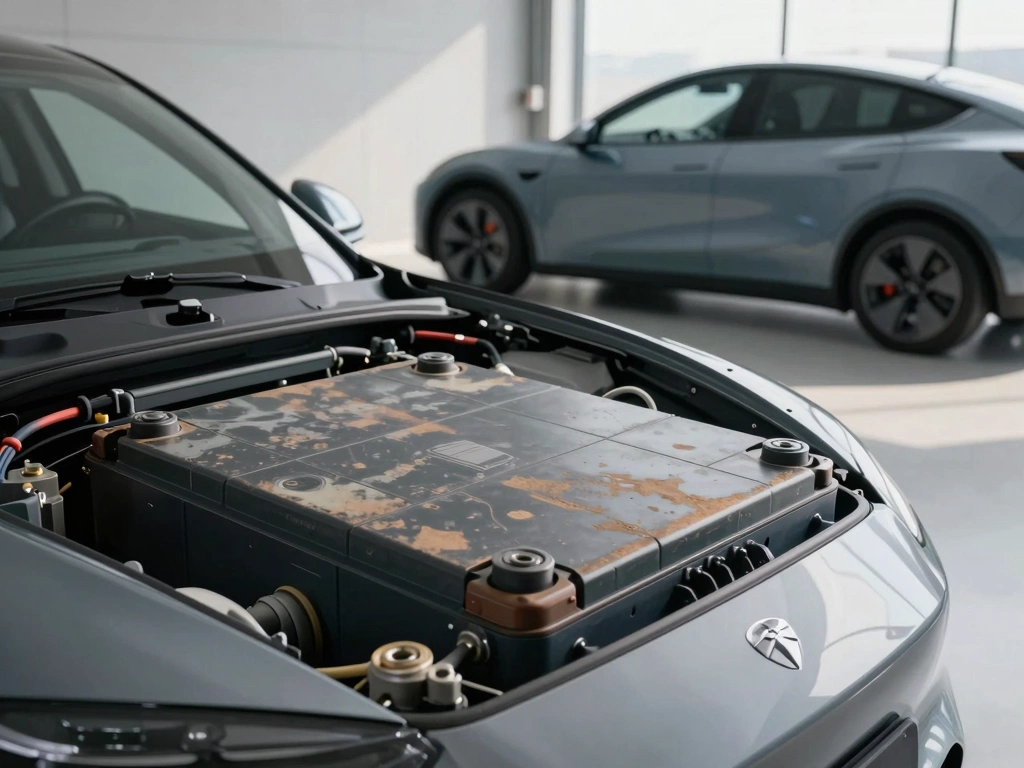
Factors Influencing EV Battery Degradation
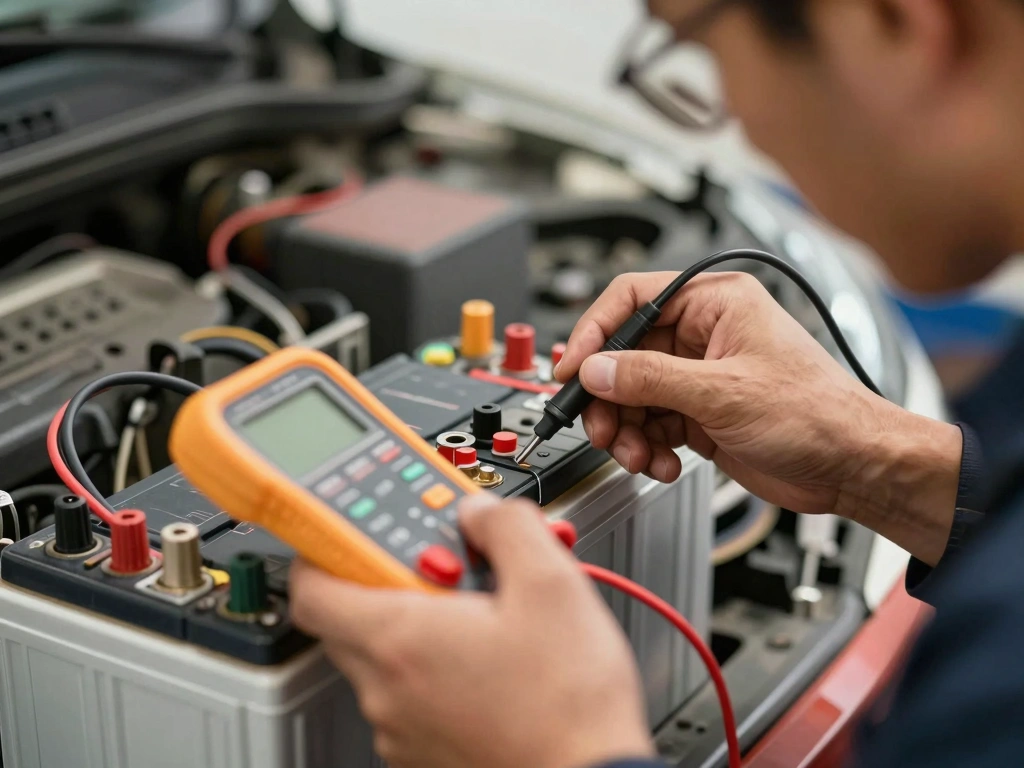
Temperature Effects on Battery Life
Temperature plays a pivotal role in the longevity and performance of electric vehicle (EV) batteries. Lithium-ion batteries, which are the most common battery type used in EVs, are particularly sensitive to temperature extremes. When exposed to high temperatures, battery chemistry can accelerate degradation processes, resulting in reduced capacity and shorter overall lifespan.
For instance, studies have indicated that operating an EV in consistently high temperatures can decrease battery capacity by as much as 20% over five years, compared to a battery maintained at optimal temperatures (around 20°C to 25°C). Conversely, cold temperatures can also impact battery performance, leading to increased internal resistance and reduced range during colder months. In extreme conditions, such as temperatures below -20°C, lithium-ion batteries can experience a significant drop in efficiency, with some reports indicating reductions in range of over 30%.
Charging Habits and Their Impact
Charging habits significantly influence the degradation rate of EV batteries. Rapid charging methods, while convenient, can generate excess heat and increase the rate of chemical reactions within the battery. Frequent use of fast chargers can lead to a phenomenon known as "voltage stress," where the high voltage applied during rapid charging can damage the battery's internal structure over time.
For example, a study conducted by the National Renewable Energy Laboratory found that using fast chargers regularly can reduce an EV battery's lifespan by approximately 15% compared to using Level 2 chargers for everyday charging needs. It is recommended that EV owners primarily utilize Level 2 charging at home for daily use and reserve fast charging for long-distance travel to minimize degradation.
Cycle Life and Usage Patterns
The cycle life of an EV battery refers to the number of complete charge and discharge cycles it can undergo before its capacity significantly diminishes. Generally, lithium-ion batteries are rated for around 1,000 to 1,500 full cycles before reaching a state of diminished capacity (typically defined as losing 20% of their original capacity).
Usage patterns also play a crucial role in battery degradation. Frequent deep discharges (draining the battery to low levels before recharging) can hasten degradation. Conversely, keeping the battery charged between 20% and 80% can prolong its lifespan. For instance, if an EV owner consistently allows their battery to drain below 20% before recharging, they may experience a 10% reduction in capacity over a typical lifespan compared to someone who maintains a more moderate state of charge.
The Chemical Processes Behind Battery Degradation
Understanding Lithium-Ion Chemistry
To comprehend EV battery degradation, one must first understand the fundamental chemistry of lithium-ion batteries. These batteries operate on the movement of lithium ions between the anode and cathode during charging and discharging. The anode typically consists of graphite, while the cathode is commonly made of lithium nickel manganese cobalt oxide (NMC) or lithium iron phosphate (LFP).
Over time, the repeated movement of ions can lead to several degradation pathways, including loss of active material, electrolyte decomposition, and formation of unwanted byproducts that can hinder performance. For example, the continuous cycling can cause the anode to lose structural integrity, leading to reduced capacity and increased internal resistance.
Electrode Wear and Decomposition
Electrode wear and decomposition are significant contributors to battery degradation. During charging, lithium ions intercalate into the anode, and during discharging, they de-intercalate. However, this process is not perfectly reversible. Over time, the mechanical stresses and strains can cause the electrodes to crack or become less efficient at storing lithium ions.
Research has shown that the rate of capacity loss can vary significantly based on the type of electrode material used. For instance, batteries that utilize silicon-based anodes can theoretically hold more charge but are also more prone to expansion and cracking, which can lead to faster degradation compared to traditional graphite anodes.
SEI Layer Formation and Its Role
The solid-electrolyte interphase (SEI) layer is a critical component in the life cycle of lithium-ion batteries. Formed during the first few charge cycles, the SEI layer acts as a protective barrier that stabilizes the electrolyte and prevents further decomposition. However, the formation of this layer is a double-edged sword; while it protects the electrodes, it also consumes lithium ions during its formation, leading to capacity loss.
As the battery ages, the SEI layer can grow thicker and less uniform, resulting in increased resistance and further loss of capacity. In scenarios where the SEI layer becomes unstable, it can also lead to electrolyte decomposition, exacerbating degradation rates. Understanding and optimizing SEI formation is a key area of research for enhancing battery longevity.
Measuring Battery Health and Degradation Rates
State of Health (SoH) Metrics
State of health (SoH) is a vital metric used to evaluate the condition of an EV battery. It represents the current health of the battery compared to its original state when new. Typically expressed as a percentage, a SoH of 100% indicates a battery in optimal condition, while a SoH below 80% often signifies the need for replacement.
Factors that contribute to decreased SoH include cycle count, temperature exposure, and charging habits, all of which can be quantified to assess the battery's ability to hold charge over time. Regularly monitoring SoH can help EV owners make informed decisions regarding battery maintenance and replacement.
Battery Management System (BMS) Monitoring
A battery management system (BMS) is an integral component of modern EVs, responsible for monitoring battery health and ensuring safe operation. The BMS collects data on voltage, temperature, and current, allowing for real-time assessment of battery performance.
Advanced BMS technology can also predict degradation patterns by analyzing trends in battery usage and performance over time. For example, Tesla's BMS continuously learns from user charging habits and can adjust charging algorithms to optimize battery health, potentially extending overall battery life by up to 10-15%.
Real-World Data Collection and Analysis
Real-world data collection and analysis play a significant role in understanding battery degradation rates. Companies like Ather Energy and Rivian are leveraging data from thousands of EVs to analyze battery performance and degradation patterns in diverse conditions.
For instance, Ather's fleet data revealed that battery degradation rates can vary significantly based on geographic location, temperature, and driving habits. Such insights allow manufacturers to refine battery technology and develop guidelines for users to optimize their charging and usage practices.
Strategies to Mitigate Battery Degradation
Optimal Charging Techniques
Optimal charging techniques can significantly mitigate battery degradation. One of the best practices is to avoid charging to 100% or depleting the battery to 0%. Instead, keeping the charge between 20% and 80% can help maintain battery health. Many EVs feature software settings that allow owners to set a maximum charge limit, providing a proactive approach to battery care.
Additionally, using smart chargers that adjust the charging speed based on battery temperature can help reduce heat-related degradation. For example, the ChargePoint Home Flex charger adjusts its output based on real-time monitoring, ensuring safe and efficient charging.
Temperature Regulation Strategies
Implementing temperature regulation strategies can greatly enhance battery longevity. Many EVs are equipped with thermal management systems that regulate battery temperature during operation and charging. For instance, Tesla vehicles use liquid cooling systems to maintain optimal battery temperature, even in extreme climates.
Moreover, parking in shaded areas or garages during hot weather can help prevent overheating, and utilizing pre-conditioning features during charging can ensure the battery is at an optimal temperature before driving. Such practices can substantially prolong battery life, particularly in regions with extreme weather conditions.
Routine Maintenance and Software Updates
Routine maintenance and timely software updates are crucial for ensuring peak battery performance. Regular checks on the battery management system can help identify potential issues before they lead to significant degradation. Additionally, manufacturers frequently release software updates that optimize battery performance and enhance charging algorithms.
For example, Nissan has implemented over-the-air updates for its Leaf model, allowing for improved battery management strategies that can extend battery life. Keeping the vehicle’s software up-to-date is a simple yet effective way to mitigate degradation.
Future Trends in EV Battery Longevity Research
Advancements in Battery Technology
The future of EV battery longevity is promising, with numerous advancements in battery technology on the horizon. Researchers are actively exploring solid-state batteries, which promise to deliver higher energy densities and improved safety by replacing liquid electrolytes with solid materials.
Solid-state batteries could potentially eliminate many degradation issues associated with current lithium-ion batteries, allowing for longer lifespans and faster charging times. Companies like QuantumScape are at the forefront of this innovation, aiming to commercialize solid-state batteries that could redefine the performance landscape of EVs.
Innovations in Battery Materials
Innovative materials are also being researched to enhance battery performance and reduce degradation rates. For example, silicon anodes are gaining attention for their potential to store significantly more lithium than traditional graphite anodes. While there are challenges associated with silicon's expansion during cycling, researchers are developing composite materials that can harness its benefits while minimizing degradation.
Additionally, alternative chemistries such as lithium-sulfur and sodium-ion batteries are being investigated for their potential to offer lower degradation rates and longer lifespans, particularly in specific applications.
Impact of AI and Data Analytics on Battery Management
Artificial intelligence (AI) and data analytics are transforming battery management systems, providing deeper insights into battery health and potential degradation patterns. By leveraging machine learning algorithms, manufacturers can analyze vast amounts of data from EVs to predict battery performance and lifespan more accurately.
For instance, companies like Amply Power are utilizing AI to optimize charging schedules based on real-time data, which can significantly reduce degradation rates and improve battery health. As these technologies continue to evolve, they will play an increasingly vital role in extending the life of EV batteries and enhancing overall vehicle performance.