Introduction to Business Electricity VAT Rate
In today's economic landscape, understanding the business electricity vat rate is crucial for companies aiming to manage their operational expenses efficiently. Value Added Tax (VAT) is a complex area that affects various business dealings, particularly when it comes to energy costs. This article explores everything you need to know about the VAT on business electricity, highlighting its implications, management strategies, and upcoming changes.
What is Business Electricity VAT Rate?
The business electricity VAT rate refers to the percentage of VAT applied to electricity bills for businesses. In the UK, the standard VAT rate is typically around 20%, but certain exemptions and reduced rates apply to specific sectors and smaller businesses. For most businesses, understanding this tax is essential not only to comply with regulations but also to identify potential savings on energy costs.
Why Understanding VAT Matters for Businesses
A comprehensive understanding of VAT is vital for any business. It affects pricing structures, profit margins, and even cash flow. By comprehending the business electricity vat rate, firms can make informed financial decisions and optimize their budgeting efforts. Moreover, failing to adhere to VAT regulations can lead to financial penalties and a damaged reputation.
Current VAT Rates Applicable to Energy Bills
The VAT rate on energy bills for most businesses is currently set at the standard rate of 20%. However, there are provisions under which some businesses may qualify for a reduced rate of 5% or even exemptions, depending on their consumption levels or the type of service provided. Navigating these rates can offer significant savings, especially for high-energy-consuming sectors.
Implications of Business Electricity VAT Rate on Expenses
How VAT Affects Business Energy Costs
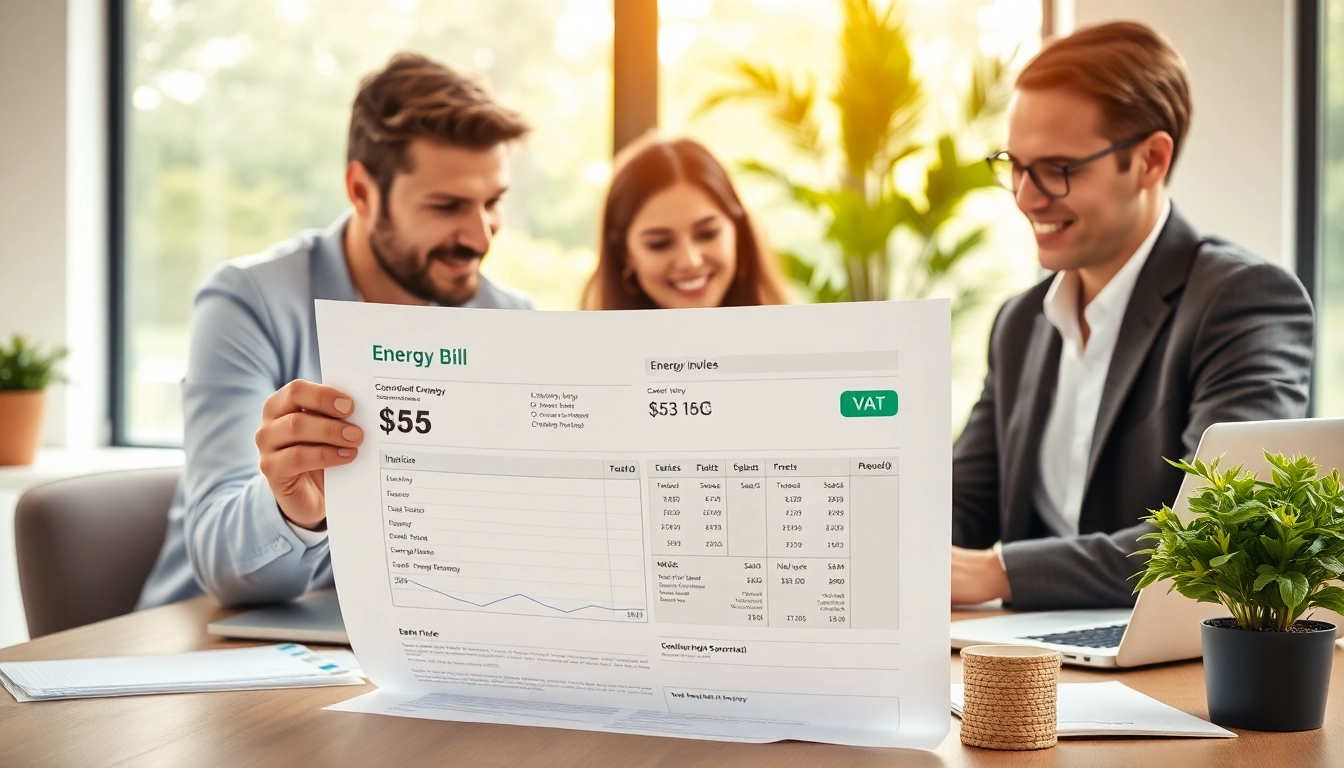
VAT directly impacts the overall cost of energy for businesses. Higher VAT rates mean higher expenses, which can diminish profit margins. For instance, a business using £1,000 worth of energy will incur an additional £200 in VAT at the standard rate, making the total bill £1,200. Conversely, understanding and leveraging reduced rates can help mitigate these costs and improve financial performance.
Identifying VAT Savings Opportunities
Businesses can explore various avenues to save on VAT related to electricity expenses. One practical approach is to examine energy consumption patterns and negotiate contracts with suppliers who may offer better terms or reduced VAT options. For example, companies that demonstrate energy-efficiency measures may qualify for lower VAT rates or special rebate programs. It's also beneficial to stay abreast of available grants and tax relief schemes. Furthermore, engaging a VAT specialist can streamline the process of identifying savings.
Record Keeping and VAT Compliance
Maintaining accurate records is essential for VAT compliance. Businesses must keep all invoices and receipts pertaining to energy purchases, documenting the VAT paid and recoverable. This record-keeping allows businesses to prepare accurate VAT returns and mitigate the risk of non-compliance. Regular audits of these records will ensure adherence to regulations and prepare businesses for potential inspections.
How to Manage Business Electricity VAT Rate Effectively
Strategies for Reducing VAT on Energy Bills
Managing the business electricity vat rate can involve several strategies aimed at reducing energy costs. Companies should consider investing in energy-efficient solutions, such as LED lighting or smart energy management systems, which not only cut down on energy consumption but may also qualify for reduced VAT rates. Regularly reviewing energy contracts and shopping around for competitive deals can result in lower base prices, minimizing the VAT impact.
Working with Energy Suppliers on VAT Issues
Collaboration with energy suppliers can prove invaluable for managing VAT effectively. Suppliers can provide insights into potential savings or adjustments based on your billing patterns. Establishing open communication with energy providers might unveil options for discounts or tailored solutions that account for VAT implications.
Engaging Tax Advisors for VAT Planning
Consulting with tax advisors specializing in VAT can enhance understanding and navigation of business electricity taxes. These professionals can offer customized planning strategies tailored to your operational model, helping to ensure compliance while maximizing potential tax savings. A sound VAT strategy developed with expert guidance can lead to improved business health and long-term financial sustainability.
Understanding Changes in Business Electricity VAT Rate
Upcoming VAT Changes and Their Impact
Tax policies are subject to change, and VAT rates may be adjusted for various reasons, including government budgets or energy crises. Staying abreast of these changes is vital for businesses to anticipate how they may affect financial projections and operational costs. Upcoming reforms may introduce new rebates or modify existing rates, necessitating businesses to adapt their financial strategies accordingly.
Monitoring Legislative Updates
Monitoring legislative updates is a practice that should be ingrained within the business culture. Developing a routine to check for VAT regulation updates or news on energy policies will ensure companies stay informed. Subscribing to official government bulletins or engaging with industry networks can provide valuable insights regarding upcoming changes and recommendations.
Adapting Business Strategies to VAT Changes
When VAT rates change, businesses must adapt their operational strategies promptly. This may involve recalibrating pricing models, adjusting budget forecasts, or recalculating investment plans in energy efficiency projects. A proactive approach, rather than a reactive one, will ensure businesses maintain compliance and continue to operate profitably amidst fluctuating VAT rates.
FAQs About Business Electricity VAT Rate
What is the current business electricity VAT rate in the UK?
The standard UK VAT rate for business electricity is 20%, but a reduced rate of 5% may apply in specific situations.
How can I claim VAT back on my business energy bills?
To claim VAT back, businesses must keep records of their energy invoices and submit a VAT return indicating the claimed amount.
Are there exemptions available for business electricity VAT?
Yes, certain businesses qualifying as small or energy-efficient may be eligible for exemptions or reduced VAT rates.
What records do I need to maintain for VAT compliance?
Businesses should maintain all invoices, receipts, and records related to energy purchases to ensure VAT compliance and preparation of returns.
How does VAT affect my overall business energy strategy?
VAT affects energy pricing and overall budgeting; understanding it helps businesses manage costs and make informed energy decisions.
Contact Information
Call Us: 0333 015 2615Email: [email protected]Address: Fareham Innovation Centre, PO13 9FU