Understanding Loyalty Applications
In the ever-evolving landscape of small businesses, leveraging technology is crucial for maintaining a competitive edge. One of the most effective tools at your disposal is a loyalty application. These digital solutions not only streamline customer engagement but also enhance the overall shopping experience, making them indispensable for businesses looking to foster customer loyalty.
What is a Loyalty Application?
A loyalty application is a software solution that enables businesses to implement customer retention strategies through various reward programs. These applications allow customers to earn points, receive discounts, and enjoy exclusive offers as a reward for their patronage. By digitizing traditional stamp cards or paper-based systems, loyalty applications facilitate easier tracking and management of customer interactions, leading to a more rewarding experience for both the business and the customer.
Key Features of Loyalty Applications
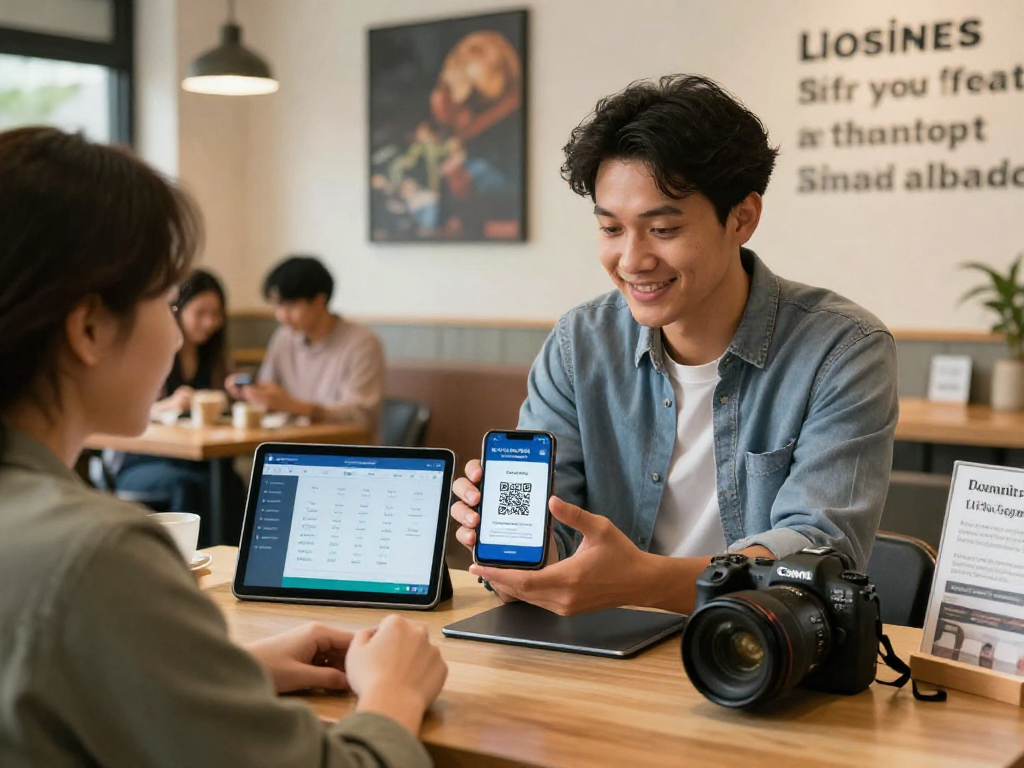
- QR Code Integration: Customers can easily scan a QR code to access their loyalty profile and redeem rewards.
- Points and Cashback Systems: Users earn points based on their spending, with options to convert them into discounts or cashback.
- Automated Notifications: Send automated reminders and promotional offers via email or push notifications based on customer behavior.
- Customization Options: Tailor the loyalty program to suit your business needs with customizable rewards and promotional campaigns.
- Analytics and Insights: Track customer behavior and program performance with detailed metrics and reports.
Popular Loyalty Application Models
Loyalty applications can come in various models to suit different business needs. Some popular types include:
- Points-Based Systems: Reward customers with points for each purchase that can be redeemed for future discounts.
- Stamp Cards: Customers collect virtual stamps that lead to rewards after achieving a certain number.
- Cashback Programs: Customers receive a percentage of their purchase amount back, encouraging repeat buying.
- Referral Programs: Incentivize existing customers to refer new customers by offering rewards for successful referrals.
Why Your Business Needs a Loyalty Application
Investing in a loyalty application can significantly alter your business's trajectory. Here’s why having one is essential:
Boosting Customer Retention
Retaining existing customers is generally more cost-effective than acquiring new ones. A loyalty application nurtures long-term relationships by offering incentives that encourage repeat visits. Customers become loyal when they feel appreciated, and rewarding them for their continued patronage can dramatically increase retention rates. For small businesses competing with larger chains, this advantage can create a loyal customer base that is vital for survival and growth.
Driving Sales Through Promotions
Seasonal promotions, birthday discounts, and other personalized offers can drive increased sales. By using loyalty applications, businesses can easily automate these promotions based on customer behavior or significant dates, ensuring that they are reaching customers at the right time. Such targeted marketing efforts yield higher conversion rates compared to generic advertisements.
Enhancing Customer Experience
In today's digital age, customers expect a seamless and integrated shopping experience. A loyalty application enhances customer experience by providing quick access to rewards, personalized offers, and easy communication channels with the business. This not only increases customer satisfaction but also can lead to positive reviews and recommendations, further expanding your customer base.
How to Implement a Loyalty Application
Implementing a loyalty application requires careful planning and execution. Here are the key steps:
Choosing the Right Loyalty Model
Before launching your loyalty application, evaluate various loyalty models that align with your business objectives and customer preferences. Consider whether a points-based system, cashback, or referral program will resonate most with your audience. Conduct surveys or focus groups to gather insights on what types of rewards would be most appealing.
Setting Up the Application
Once you have selected a model, it's time to set up the application. Most loyalty applications, like BonusQR, provide user-friendly interfaces and require minimal technical expertise. Follow the onboarding processes to customize your loyalty program, including setting reward thresholds, determining point values, and integrating with existing customer databases.
Promoting Your Loyalty Program
After launching the application, it's crucial to promote it effectively. Use in-store signage, social media, and email marketing to inform customers about the program and its benefits. Consider offering a sign-up incentive, such as an immediate discount or bonus points, to encourage initial participation.
Analyzing Loyalty Program Performance
Continuous improvement is key to the long-term success of your loyalty program. This section explores how to analyze its effectiveness.
Key Metrics to Measure Success
To evaluate the performance of your loyalty application, monitor important metrics such as:
- Customer Retention Rate: Understand how many customers continue to engage with your business after joining the loyalty program.
- Average Order Value: Measure if loyalty program members spend more than non-members.
- Redemption Rates: Track how often rewards are redeemed versus how many are earned.
- Engagement Rates: Assess how often users interact with promotional messages and notifications.
Using Customer Feedback for Improvements
Customer feedback is invaluable for refining your loyalty program. Actively seek suggestions and comments through surveys or direct communication. Understanding customer experiences and desires can help you adjust your offerings and ensure that they remain relevant and appealing.
Adjusting Your Strategy Based on Data
Using the insights gathered from analytics and feedback, fine-tune your loyalty strategy. This may involve altering reward structures, enhancing communication strategies, or launching new promotions that better align with customer preferences. A responsive approach will enable you to stay competitive in the marketplace.
Future Trends in Loyalty Applications
The future of loyalty applications is bright, and several trends are shaping this landscape:
Personalization and Customer Engagement
With advancements in AI and data analytics, the ability to personalize customer interactions will become even more sophisticated. Businesses can utilize data to tailor offers, making them more relevant and engaging for customers. This level of personalization fosters a deeper emotional connection between customers and brands, which is crucial for loyalty.
Gamification in Loyalty Programs
Integrating gamification elements—like challenges, leaderboards, and milestone rewards—can significantly enhance engagement. These features make the loyalty experience more enjoyable and motivating, resulting in higher participation rates. Customers enjoy earning rewards while also feeling entertained, which can translate into increased sales.
Emerging Technologies Impacting Loyalty
Technological innovations such as blockchain for secure transactions and AI for predictive analytics will reshape how businesses approach loyalty programs. These technologies promise enhanced security and a more personalized experience, which can drive customer engagement and satisfaction.
What are the most effective loyalty application strategies?
Effective loyalty application strategies include segmentation of customer data to provide tailored rewards, frequent communication of benefits and updates, and seamless integration with existing business operations. The more streamlined and appealing the experience, the more likely customers are to engage.
How can I measure the success of my loyalty program?
To measure success, consistently track engagement metrics, redemption rates, customer feedback, and overall ROI. These indicators will help you gauge the program's effectiveness and identify areas for improvement.
What features should I look for in a loyalty application?
Look for features such as user-friendly interfaces, customizable rewards systems, robust analytics capabilities, automated communication tools, and integrations with existing POS systems. These elements will ensure that your loyalty application effectively meets your business needs.
How do loyalty applications enhance customer experience?
Loyalty applications enhance customer experience by providing easy access to rewards, ensuring timely communication of offers, and enabling streamlined interactions with the business. A well-functioning loyalty app gives customers a reason to return, fostering a sense of belonging and appreciation.
What are the future trends for loyalty applications in 2026?
Future trends for loyalty applications will likely focus on hyper-personalization, integration of AI for predictive analytics, and gamification elements. For more information, loyalty application offers valuable insights. As technology continues to advance, tailoring loyalty programs to individual customer preferences will be key to engagement and retention.