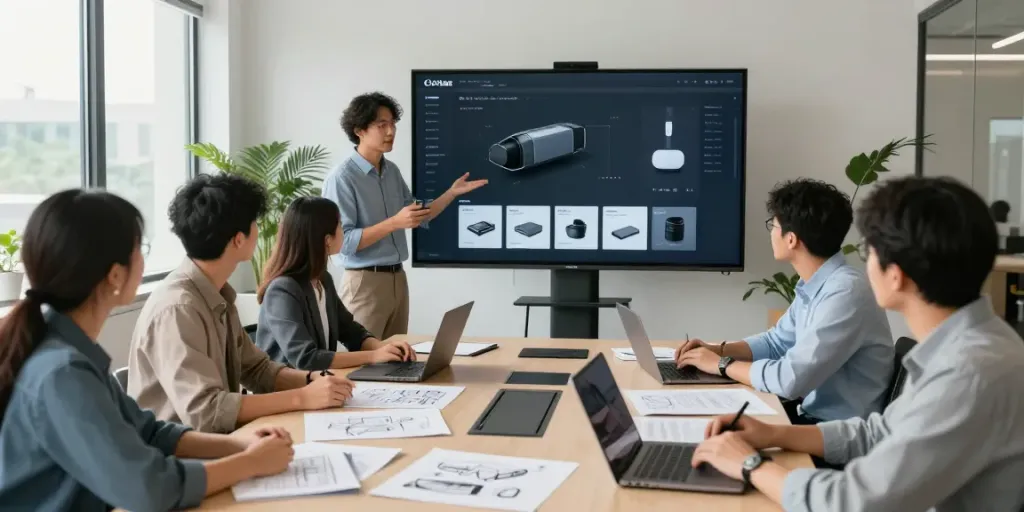
Understanding Product Configurators: The Integration with CRM
In today's competitive landscape, businesses must adapt to evolving customer expectations and streamline their sales processes. One of the most effective ways to enhance this process is through the integration of a product configurator with CRM. This combination empowers sales teams to deliver tailored solutions that meet specific client needs while maintaining efficient management of customer interactions.
What is a Product Configurator?
A product configurator is a sophisticated tool that allows customers to customize products according to their specific requirements. By providing a series of options—from dimensions and colors to functionalities—these configurators enable customers to visualize their selections in real-time. This not only enhances engagement but also shortens the sales cycle, as customers can make informed decisions quickly.
Benefits of Integrating Product Configurator with CRM
Integrating a product configurator with a Customer Relationship Management (CRM) system brings a multitude of benefits. Firstly, it centralizes all customer data and interactions, giving sales representatives a comprehensive view of customer preferences and history. This integration allows for:
- Improved Customer Experience: Personalized experiences based on previous interactions can significantly enhance customer satisfaction and loyalty.
- Increased Efficiency: Streamlined processes mean that sales teams can focus more on selling rather than administrative tasks.
- Better Data Management: All configurations are tracked within the CRM, allowing for seamless follow-up and order fulfillment.
Common Misconceptions about Product Configurators
Despite the proven advantages, there are several misconceptions surrounding product configurators. One prevalent belief is that configurators are only suitable for large enterprises. In reality, businesses of all sizes can benefit from these tools, as they are scalable and can be tailored to various industries. Another misconception is that these tools are complex and hard to use; however, modern configurators are designed with user-friendly interfaces that facilitate easy navigation.
Navigating Customer Choices: Best Practices
As businesses begin to implement product configurators into their sales processes, understanding how to effectively navigate customer choices becomes crucial. This involves not only how products are configured but also how customer interactions are managed within these systems.
Streamlining Customer Interactions
Creating a seamless experience for customers interacting with a product configurator involves clear communication and support. This can be achieved through:
- Providing Guidance: Offering assistance throughout the configuration process can help customers feel more confident in their choices.
- Utilizing Customer Feedback: Regularly collecting and analyzing customer feedback can lead to improvements in the configurator’s functionality.
Managing Customer Projects Effectively
Alongside customer interactions, managing projects effectively within the configurator is essential. Utilizing CRM capabilities enables businesses to:
- Track Project Status: Monitor the progress of customer projects, ensuring timely follow-ups and interventions when necessary.
- Document Customer Preferences: Keep comprehensive records of customer preferences and inquiries for future reference.
Common Challenges in Configuration Management
While adopting product configurators, businesses may encounter several challenges, including integration difficulties, data discrepancies, and resistance to change from staff. Addressing these challenges requires strategic planning, training, and ongoing support to ensure a smooth transition.
Case Studies: Success Stories of Product Configurators with CRM
Learning from others' experiences can provide valuable insights into the effective use of product configurators integrated with CRM systems.
How Companies Utilize Product Configurators
Companies across various industries are leveraging product configurators to enhance their sales processes. For example, a leading furniture manufacturer utilized a configurator to allow customers to design their own furniture pieces, leading to a 30% increase in online sales.
Real-World Implementations and Lessons Learned
Successful implementations often focus on user training and iterative feedback loops. A noteworthy case involved a tech company that integrated a configurator within their CRM, significantly reducing order errors and improving customer satisfaction ratings by over 25%.
Impact on Sales Performance and Customer Satisfaction
The direct relationship between product configurators and sales performance is undeniable. Businesses that embrace these tools tend to see shorter sales cycles, higher conversion rates, and increased overall customer satisfaction, as buyers are provided with exactly what they want.
Future Trends in Product Configuration Technology
As technology evolves, so too does the potential for product configurators. Staying ahead of these trends will be essential for businesses looking to maintain a competitive edge in the market.
Emerging Technologies in Product Configurators
Advancements in artificial intelligence (AI) and machine learning (ML) are set to transform the capabilities of product configurators. These technologies can provide predictive analytics, helping sales teams anticipate customer needs and tailor offerings accordingly.
Predictions for CRM Integration in 2026
By 2026, we can expect deeper integration between product configurators and CRM systems, leading to more sophisticated analytics and customer insights, allowing businesses to refine their approaches and enhance customer engagement strategies.
Adapting to Changing Market Demands
As customer expectations evolve, businesses must remain agile. This adaptability will be crucial in implementing innovative solutions within their sales frameworks, showcasing the need for ongoing training and development.
Getting Started: Implementation Steps for Your Business
For businesses considering the adoption of product configurators integrated with CRM, a clear plan is essential. The following steps can facilitate a smooth transition.
Evaluating Your Current CRM and Sales Processes
Begin by assessing your existing CRM system and sales processes. Understanding where gaps exist can inform decisions about the type of product configurator needed and how it can be integrated.
Choosing the Right Product Configurator
Selecting the right configurator involves evaluating features, ease of use, and compatibility with your CRM system. Consider conducting trials or seeking demos to find the best fit for your business needs.
Measuring Success: Key Performance Indicators
To evaluate the effectiveness of the product configurator, establish key performance indicators (KPIs) such as sales conversion rates, customer satisfaction scores, and average time taken to complete sales. Regularly reviewing these metrics can help refine strategies and improve performance.
What is a product configurator with CRM and how does it work?
The integration of a product configurator with a CRM system allows businesses to customize products while tracking customer interactions and data. This synergy streamlines the sales process, enhances communication, and improves customer satisfaction.
What industries benefit most from product configurators?
Industries such as manufacturing, furniture, and technology often benefit significantly from product configurators, as customization plays a vital role in sales and customer satisfaction. These tools are valuable across various sectors, enabling personalized solutions.
How can I choose the right product configurator for my business?
Choosing the right product configurator involves analyzing your specific needs, assessing compatibility with existing systems, and considering user-friendliness. Gathering input from stakeholders can also lead to more informed decisions.
What are the challenges in integrating product configurators with CRM?
Challenges may include technical difficulties during integration, data synchronization issues, and the need for staff training. Developing a clear implementation plan can mitigate these challenges and ensure a successful transition.
What trends should I watch for in product configuration technology?
Keep an eye on advancements in AI, increased personalization capabilities, and enhanced analytics that leverage big data. These trends will shape the future of product configurators and their integration with CRM systems.