Understanding Bed Bugs and the Need for Extermination
What Are Bed Bugs?
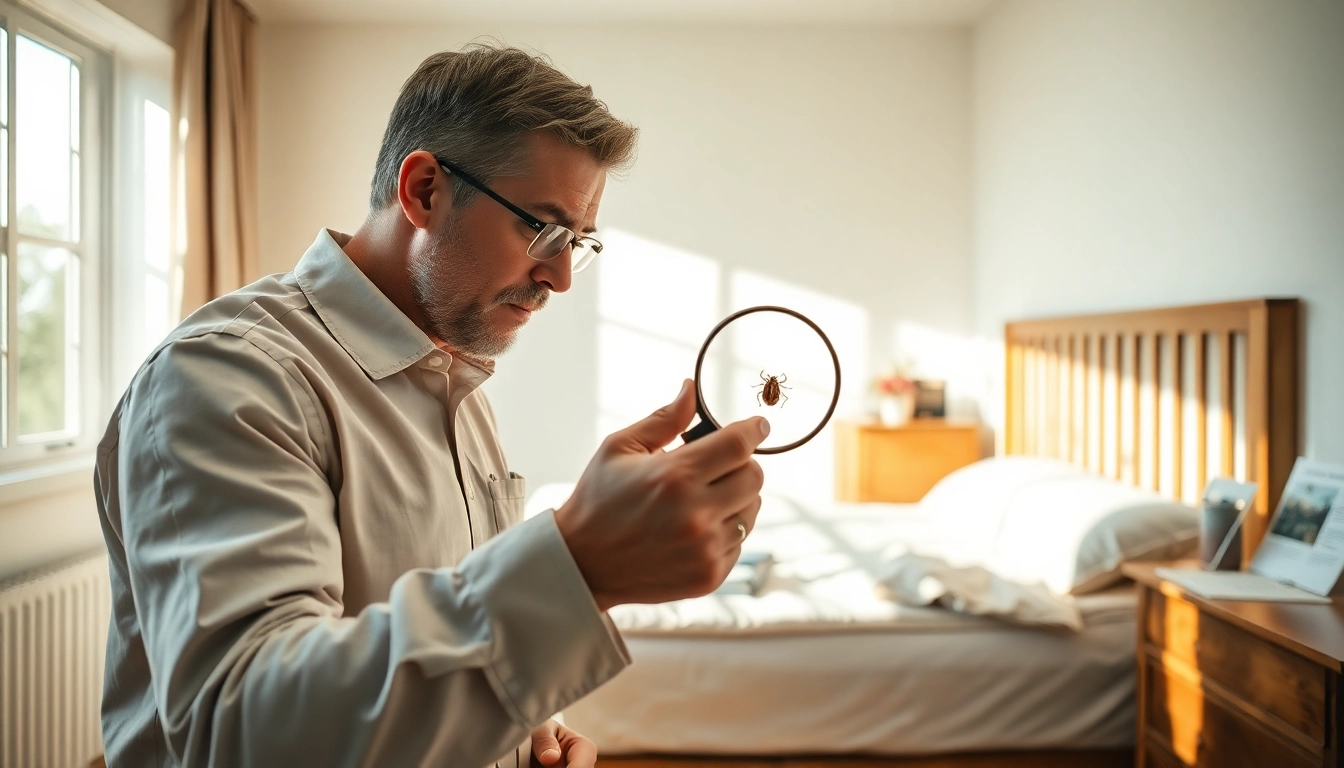
Bed bugs are small, nocturnal insects that feed on the blood of humans and animals. They belong to the Cimex lectularius species and are about the size of a pea, with a reddish-brown color and flattened body. These pests are most active at night, hiding in cracks and crevices during the day. They thrive in warm, humid environments and can reproduce quickly, leading to significant infestations if left unchecked. Understanding their biology is crucial for effective control.
Why Professional Bed Bug Exterminators?
Hiring professional bed bug exterminators is essential for several reasons. DIY methods often fail to eradicate these resilient pests. Professionals possess specialized knowledge of bed bug behavior, biology, and effective treatments. Additionally, they have access to commercial-grade products and equipment that can ensure thorough extermination. This expertise can save you time, money, and the stress associated with repeat infestations.
Signs of Bed Bug Infestation
Identifying a bed bug infestation early can prevent its escalation. Common signs include bite marks—typically clustered or in a line—on exposed skin while sleeping, small blood stains on sheets, brown spots of bed bug excrement on mattresses or walls, and the presence of shed exoskeletons. If you experience any of these signs, it’s essential to act promptly to mitigate potential damage and discomfort.
Methods Used by Bed Bug Exterminators
Chemical Treatments Explained
Chemical treatments remain one of the most common methods employed by exterminators to eliminate bed bugs. These treatments typically involve insecticides that target bed bugs at different life stages. Professionals assess the level of infestation and may choose from a range of chemicals, including Pyrethroids and Neonicotinoids, each designed for maximum effectiveness while ensuring safety. Applied correctly, these treatments can swiftly eliminate bed bugs, although a multi-faceted approach is often necessary for complete eradication.
Heat Treatment Techniques
Heat treatment is another effective method for bed bug extermination. This technique involves raising the temperature of an infested area to at least 120°F (49°C) for several hours, which is lethal to bed bugs in all life stages. This method is advantageous because it penetrates furniture and walls where chemicals may not reach. However, it requires specialized equipment and expertise to execute safely and effectively, making it an ideal option for professional exterminators.
Integrated Pest Management Approaches
Integrated Pest Management (IPM) combines multiple strategies to manage pests more sustainably. In the case of bed bugs, IPM involves not only chemical and heat treatments but also preventive measures, thorough inspections, and monitoring. This holistic approach considers behavioral changes, targeted inspections, and employee training in commercial settings. Implementing IPM increases the chances of long-term success by minimizing the likelihood of reinfestation.
How to Prepare for the Extermination Process
Pre-Inspection Checklist
Preparation is key before extermination. Start by decluttering your home, particularly bedrooms and other infested areas. Wash all linens, curtains, and clothing in hot water and dry them on high heat. Vacuum carpets and upholstery meticulously, disposing of the vacuum bag immediately. Additionally, clearly mark any items that need special handling. An organized environment will allow exterminators to work efficiently and effectively during their visit.
What to Expect During Treatment
During the extermination process, expect the exterminator to conduct a thorough inspection, identifying all areas of infestation. Depending on the approach taken, they will apply the necessary treatments. You may need to leave the residence for a few hours or up to a day. Proper communication with your exterminator about what to expect can ease your anxiety and help you prepare adequately for their work.
Post-Treatment Steps for Homeowners
After treatment, follow any recommendations provided by your exterminator closely. Avoid disturbing treated areas for the recommended period. It’s important to monitor your home for any signs of new activity in the weeks following treatment. Regular vacuuming and maintaining a clean environment will also help prevent future infestations. Some exterminators offer follow-up inspections, which can be critical for ensuring the problem is fully resolved.
Costs Associated with Bed Bug Extermination
Average Price Range for Services
The cost of bed bug extermination can vary significantly based on several factors. Generally, homeowners can expect to pay between $300 to $1,500 for professional services, depending on the severity of the infestation and the methods used. Heat treatments are often at the higher end of this range due to the equipment and expertise required. Complex cases may necessitate multiple treatments, affecting overall costs.
Factors Influencing Extermination Costs
Several factors influence the cost of bed bug extermination. The size of the infestation plays a significant role—more extensive infestations will require more time and resources to eliminate. The type of treatment chosen (chemical, heat, IPM), the size of the property, and the location can also affect pricing. Additionally, the experience and reputation of the exterminator may influence rates; established professionals often charge a premium for their services.
Cost-Effectiveness of Professional Treatment
When considering the cost of extermination, it’s vital to weigh it against the potential damage that a bed bug infestation can cause. Professional treatments not only provide peace of mind but also prevent the costly ramifications of prolonged infestations. DIY approaches may seem cheaper, but they often lead to repeated treatments and longer recovery times, thus accumulating higher expenses. Investing in professional help usually proves to be the most cost-effective solution.
FAQs on Bed Bug Exterminators
What can I do to prevent bed bugs?
Regularly inspect your home, especially after travel. Always check hotel beds and luggage. Vacuum frequently and seal cracks in walls to limit potential infestations.
How can I ensure I chose a reliable exterminator?
Look for licensed professionals, check customer reviews, and ask about their treatment methods and guarantees. Make sure they use proven techniques for bed bugs.
Do bed bug exterminators offer guarantees?
Many pest control companies provide guarantees or follow-up treatments. It ensures the effectiveness of their methods, allowing for adjustments if necessary.
Is treatment safe for my pets and family?
Modern treatments are designed to be safe for humans and pets when applied properly. Always consult your exterminator regarding safety measures.
How long does it take for treatment to work?
The effectiveness of treatment varies by method. Typically, most treatments show significant results within a few weeks, depending on the severity of the infestation.