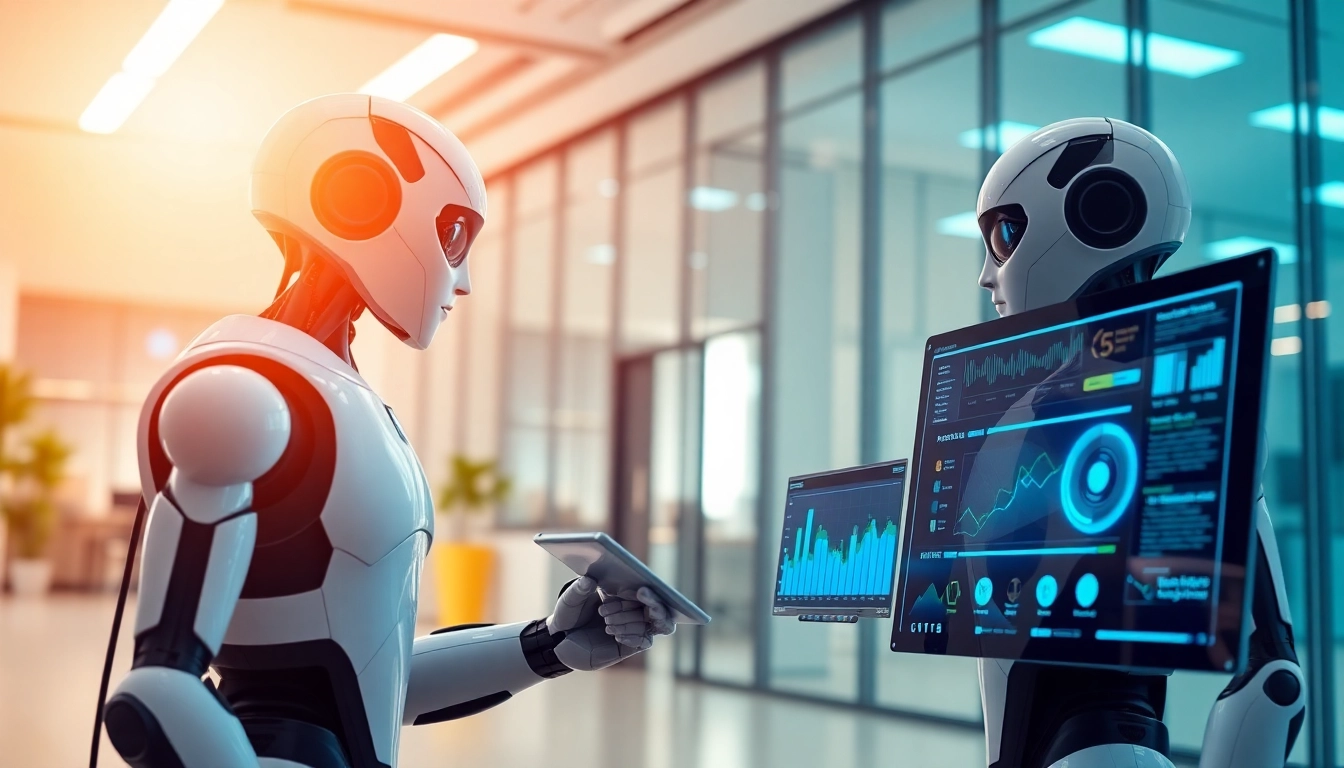
Understanding Ai Bots: Basics and Capabilities
What Are Ai Bots?
In the rapidly evolving landscape of technology, Ai Bots have become indispensable tools that leverage artificial intelligence to perform a variety of tasks. These software applications, equipped with algorithms and machine learning capabilities, mimic human conversation and automate processes in numerous domains, including customer service, data analysis, and personal assistance.
How Ai Bots Function
At the core of Ai Bots is the ability to process and interpret natural language. They utilize algorithms to analyze input—whether text or voice—to comprehend user intent and respond accordingly. This is achieved through several stages, including:
- Input Processing: Ai Bots recognize and convert user input into a structured format that can be understood.
- Intent Recognition: The bot analyzes the input to determine the user's intent, using pre-established machine learning models.
- Response Generation: Once the intent is recognized, the bot formulates a response, which can be pre-programmed or generated dynamically.
- Learning and Adaptation: Over time, many Ai Bots continuously learn from interactions, improving their accuracy and relevance.
Key Features of Ai Bots
To effectively serve users and businesses, Ai Bots exhibit several key features:
- 24/7 Availability: Unlike human agents, Ai Bots can operate around the clock, providing assistance at any time.
- Scalability: They can handle numerous interactions simultaneously, making them ideal for high-demand scenarios.
- Personalization: By utilizing data, Ai Bots can tailor interactions based on user preferences and history.
- Multi-Platform Integration: Ai Bots can be integrated across various platforms, including websites, social media, and messaging apps.
- Data Analysis: They can collect and analyze data from interactions, providing valuable insights to businesses.
Implementing Ai Bots in Your Business
Initial Steps for Integration
Integrating Ai Bots into your business operations requires careful planning. Here are the initial steps every organization should consider:
- Define Objectives: Clearly outline what you want the Ai Bots to achieve, whether it's improving customer service or streamlining operations.
- Assess Current Infrastructure: Evaluate your existing systems to determine how they can support Ai Bot integration.
- Choose the Right Technology: Select an Ai Bot platform that meets your business needs and provides relevant features.
- Create a Project Team: Form a group of stakeholders to oversee the integration process, ensuring input from all relevant departments.
Choosing the Right Ai Bots for Your Needs
With a plethora of Ai Bots available, choosing the right one can be daunting. Factors to consider include:
- Functional Capabilities: Ensure the Ai Bots can perform the tasks you require.
- User Experience: Look for a bot that offers an intuitive interface for users and can interact seamlessly.
- Integration Compatibility: Check if the bot can integrate easily with your existing systems to avoid complications.
- Scalability and Customization: Opt for a solution that can grow with your business and be personalized to your branding.
Common Use Cases Across Industries
Ai Bots have found applications in a variety of industries, exemplifying their versatility:
- Customer Service: Automating responses to frequently asked questions and handling basic inquiries.
- E-commerce: Guiding customers through product selections and facilitating transactions.
- Healthcare: Providing pre-appointment consultations and automating patient record management.
- Finance: Assisting with banking inquiries and transaction monitoring.
- Travel: Helping customers with itinerary planning, bookings, and real-time travel updates.
Measuring the Impact of Ai Bots
Performance Metrics for Ai Bots
To understand the effectiveness of Ai Bots, businesses need to track several performance metrics:
- Response Accuracy: Measure how often the bot correctly understands and responds to user inquiries.
- User Satisfaction: Surveys and feedback can provide insights into how users perceive their interactions with the bot.
- Engagement Rates: Observe how often users interact with the bot, including the number of sessions and duration.
- Cost Savings: Analyze reductions in operational costs attributed to bot assistance.
Assessing Return on Investment
Determining the ROI of Ai Bots can be intricate, but it typically involves:
- Comparative Analysis: Compare costs before and after implementation, factoring in reductions in human labor costs.
- Improved Efficiency: Quantify the time saved on tasks that the bot now performs.
- Revenue Growth: Evaluate if the bot has contributed to increased sales or improved service retention.
Case Studies Highlighting Success Stories
Several organizations have achieved remarkable results through Ai Bot implementation. Here are notable examples:
- Retail Chain: A large retail chain utilized Ai Bots for customer inquiries, reducing response time by over 60% and increasing customer satisfaction scores.
- Healthcare Provider: A healthcare facility integrated Ai Bots for appointment scheduling, significantly decreasing no-show rates and improving patient flow.
- Bank: A financial institution deployed Ai Bots for transaction inquiries, leading to a 30% reduction in call center volume.
Challenges and Considerations for Using Ai Bots
Common Implementation Challenges
While the benefits are clear, businesses face several challenges when implementing Ai Bots, including:
- Integration Complexity: Merging the Ai Bot with existing systems can sometimes be technically challenging.
- User Adoption: Ensuring that users understand and embrace new technology can require change management strategies.
- Content Management: Keeping the bot’s content updated is essential for relevance and accuracy.
Ensuring Data Security with Ai Bots
Data security is crucial when using Ai Bots, as they often handle sensitive information. Businesses should implement measures such as:
- Data Encryption: Ensure that data transferred between users and the bot is encrypted to protect it from unauthorized access.
- Regular Audits: Conduct periodic reviews of the bot’s data handling practices to identify vulnerabilities.
- Compliance with Regulations: Verify that your use of Ai Bots adheres to data privacy laws, such as GDPR.
Managing User Expectations
It's important to manage user expectations regarding Ai Bots. Communication should include:
- Clear Capabilities: Inform users about what the bot can and cannot do to avoid frustration.
- Human Escalation: Ensure users understand that they can reach a human agent when the bot cannot adequately assist.
- Continuous Improvement: Share ongoing improvements to the bot’s capabilities as it learns from interactions.
The Future of Ai Bots in Business
Emerging Trends in Ai Bot Development
The landscape of Ai Bots is continuously evolving. Key trends include:
- Enhanced Natural Language Processing: Developments in NLP will lead to more human-like interactions.
- Voice Recognition: An increase in voice-enabled Ai Bots for hands-free user experiences.
- Emotion Detection: Future bots may incorporate emotional intelligence to respond empathetically.
How Ai Bots Will Shape Future Workplaces
As Ai Bots become more prevalent, they will undoubtedly reshape workplace dynamics:
- Task Automation: Routine tasks can be automated, allowing employees to focus on higher-value work.
- Real-time Data Insights: Bots can provide on-demand analytical insights to support decision-making.
- Enhanced Collaboration: Ai Bots may facilitate better communication and collaboration among teams, regardless of physical location.
Integrating Ai Bots with Other Technologies
To maximize the effectiveness of Ai Bots, businesses should integrate them with other technologies:
- CRM Systems: Integrating Ai Bots with Customer Relationship Management systems can enhance customer engagement processes.
- IoT Devices: Ai Bots could be linked to IoT devices for real-time monitoring and responses.
- Machine Learning: Leveraging machine learning will allow Ai Bots to evolve and adapt effectively over time.
FAQs About Ai Bots
What are Ai Bots used for?
Ai Bots are used for automating customer service, providing recommendations in e-commerce, answering queries, and more across various industries.
Can Ai Bots understand human emotions?
While many Ai Bots use sentiment analysis, true emotional understanding is still a developing area, though some advancements are indicating growth in this aspect.
How do I choose the right Ai Bot for my business?
Identify your business needs, assess functionality, consider ease of use, integration capabilities, and look for scalability and customization options.
Are Ai Bots secure for handling sensitive data?
Yes, but it's crucial to implement strong security measures like data encryption and compliance with privacy regulations to protect sensitive information.
What is the future of Ai Bots in the workplace?
The future involves more natural interactions, better integration with existing systems, real-time support for decision-making, and more dynamic AI capabilities.