Understanding the Importance of Fence Cleaning
Maintaining a clean fence is not just about aesthetics; it plays a vital role in the longevity and structural integrity of the fence. Regular Fence Cleaning helps prevent damage caused by weather, mold, and algae, ensuring that your property looks its best while prolonging the life of the fencing material. Without timely cleaning and maintenance, fences can deteriorate swiftly, leading to costly replacements.
Benefits of Regular Fence Maintenance
Regular maintenance, including cleaning, offers numerous benefits:
- Enhanced Aesthetics: A clean fence enhances the overall look of your property and can significantly increase curb appeal.
- Longevity of Materials: Routine cleaning removes dirt and organic growth, which can lead to rotting and rust.
- Property Value: Well-maintained fences protect your investment, making your property more attractive to potential buyers.
- Health Benefits: Cleaning prevents the growth of mold and mildew, which can adversely affect health.
Common Issues Faced by Fences
Fences experience various challenges due to environmental factors:
- Mold and Mildew: These thrive in moist environments, especially on wooden fences.
- Rust: Metal fences are particularly prone to rust if not maintained properly.
- Decay: Wooden fences can rot if exposed to moisture for extended periods.
- Stains: Dirt, sap, or chemical spills can lead to permanent staining if not addressed promptly.
Materials Affected by Neglect
Different fencing materials react uniquely to neglect:
- Wood: Requires regular cleaning, staining, and sealing; otherwise, it may warp and decay.
- Vinyl: Less prone to damage but still accumulates dirt and can lose its luster over time.
- Metal: Rust and corrosion are common issues if protective coatings wear off.
Best Techniques for Fence Cleaning
Understanding the various techniques for fence cleaning is crucial for maintaining your fence effectively.
Using Homemade Solutions for Fence Cleaning
For those looking to use eco-friendly solutions, homemade cleaning agents can be effective:
- Vinegar and Water: A mixture of equal parts vinegar and water can effectively break down dirt and grime.
- Baking Soda Paste: Combining baking soda with water creates a paste that can address tougher stains when scrubbed on stubborn spots.
- Bleach Solution: Diluted bleach (one part bleach to ten parts water) is effective against algae, but must be used with caution to avoid damage to nearby plants.
When to Use Pressure Washing for Fence Cleaning
Pressure washing is an efficient method for cleaning fences, but it's essential to use it correctly:
- Type of Material: Wooden fences may not handle high pressure well and can splinter; use a lower pressure setting and a fan spray.
- Rot and Damage: Inspect for any existing damage before pressure washing, as the force can exacerbate issues.
- Preparation: Wet the surrounding area before pressure washing to minimize dust and debris.
Alternative Methods for Effective Cleaning
If pressure washing is not suitable, consider these methods:
- Soft Washing: A gentle wash with low pressure coupled with special cleaning solutions is effective for delicate surfaces.
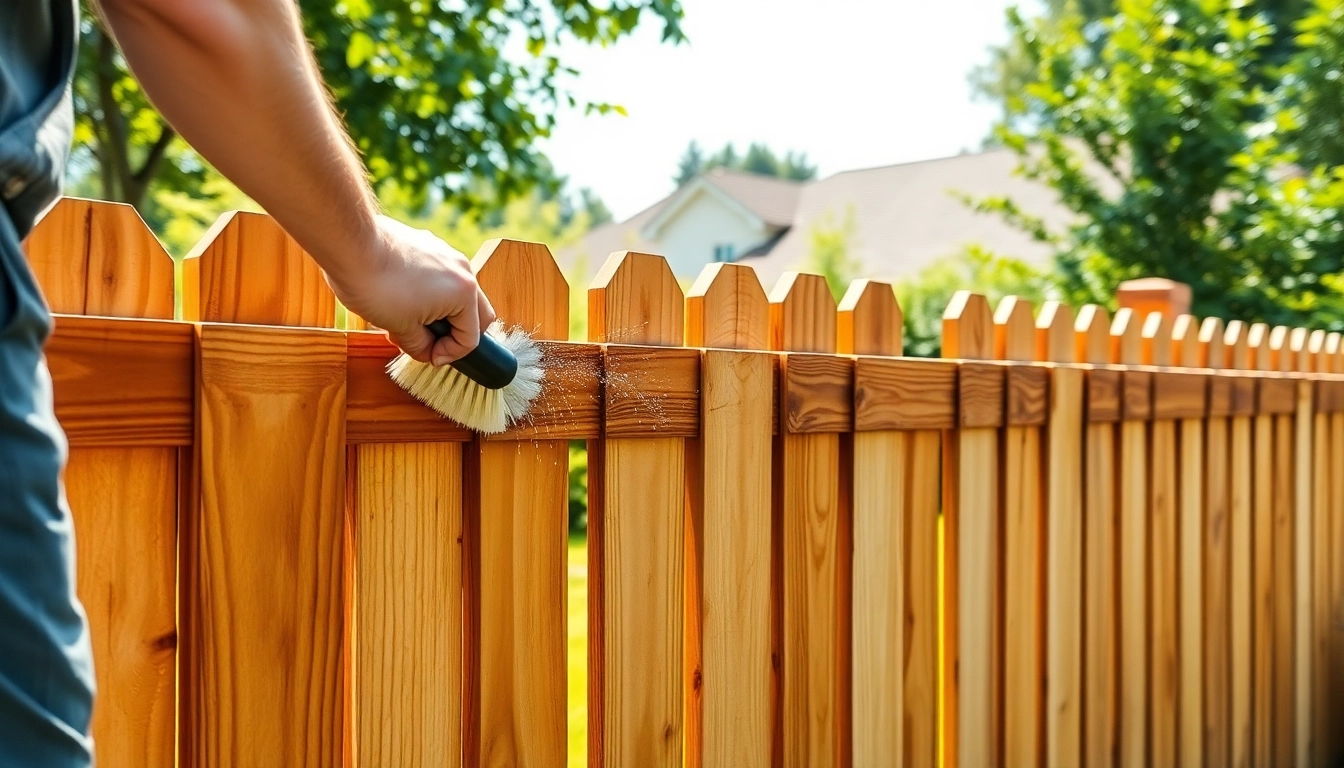
- Hand Scrubbing: Manual scrubbing with a brush can effectively remove dirt without the risks associated with pressure washing.
- Garden Hose: For light cleaning, using a garden hose with a spraying attachment can suffice for removing surface dirt.
Essential Tools for Effective Fence Cleaning
Having the right tools significantly enhances the efficiency of your cleaning efforts.
Brushes and Scrubbing Tools
Different tools serve different needs:
- Long-Handled Brushes: Ideal for reaching higher areas without the need for ladders.
- Scrub Brushes: Great for deep cleaning and tackling tough stains effectively.
- Sponges and Rags: Soft materials prevent scratching and can help in applying cleaning solutions.
Cleaning Solutions: Store-Bought vs. DIY
Choosing the right cleaning solution is crucial:
- Store-Bought Solutions: Convenient but often contain chemicals that can be harmful to plants and pets.
- DIY Solutions: Typically safer for the environment and allow customization based on specific needs.
Protective Gear and Safety Measures
Safety should never be overlooked while cleaning:
- Gloves: Protect hands from harsh chemicals and scrubbing.
- Goggles: Shield eyes from splashes and debris.
- Respirator: Necessary when using strong chemical solutions to avoid inhalation.
Steps to Prepare Your Fence for Cleaning
Preparation is key to effective fence cleaning.
Assessing the Condition of Your Fence
Before starting, evaluate your fence's condition:
- Inspect for Damage: Look for rotting or rusting areas that might need repair.
- Check Fasteners: Ensure that nails or screws are not loose to avoid further damage.
Removing Accessories and Furniture
Clearing the area enhances accessibility:
- Remove Planters: Prevents damage from cleaning solutions.
- Clear Nearby Furniture: Avoids incidental damage to property or obstacles while cleaning.
Checking Surrounding Areas for Safety
Safety is paramount when cleaning:
- Look for Electrical Lines: Ensure you’re aware of nearby wires especially if using electrified equipment.
- Protect Plants: Water plants or cover them to protect from cleaning agents.
Cost Considerations for Professional Fence Cleaning
Understanding the costs involved can help in planning maintenance budgets.
Average Costs for Different Fence Types
The cost to clean a fence varies widely depending on material:
- Wood Fences: Typically range from $50 to $300 based on size and condition.
- Vinyl Fences: Most often cleaner requires less intensive care, averaging between $50 and $200.
- Metal Fences: Rust removal and cleaning can vary but generally, the cost is around $75 to $500 depending on size.
Factors Influencing Cleaning Costs
Various factors can affect the overall cost:
- Size: Larger fences require more time and materials.
- Location: Regional costs for labor and materials can vary.
- Condition: Fences needing additional treatment may incur higher costs.
When to Hire Professionals vs. DIY
Deciding between professionals and DIY can be tricky:
- Experience: If you're unfamiliar with cleaning techniques, hiring professionals may save time and effort.
- Extent of Cleaning Needed: Larger projects often make professional services more economical.
- Your Schedule: Hiring may be best if you have limited time or physical ability to do the work yourself.
FAQs
How much does fence cleaning typically cost?
The cost of fence cleaning varies based on size and material but typically ranges from $50 to $500 for residential properties.
What is the best method for cleaning a wood fence?
Using a mixture of water and mild detergent along with a brush is the most effective method for cleaning a wood fence without damage.
Can I clean my fence without a pressure washer?
Yes, you can clean your fence using hand-scrubbing techniques and homemade cleaning solutions, which are often effective and safer.
How often should I clean my fence?
It’s advisable to clean your fence at least once a year to prevent buildup of dirt and degradation from weather conditions.
Does fence cleaning help with longevity?
Yes, regular cleaning prevents moisture buildup and deterioration, thus extending the life of your fence considerably.