Understanding Fence Cleaning
Maintaining the appearance and integrity of your fence is essential for your home's curb appeal and longevity. Fence Cleaning is not just about aesthetics; it is a vital maintenance task that prevents deterioration, extends the life of the materials, and enhances the overall value of your property.
Importance of Regular Maintenance
Regular maintenance of your fence increases its lifespan and protects your investment. Just like any part of your property, fences accumulate dirt, debris, mold, and mildew over time, especially in areas with high moisture or humidity. Neglecting to clean your fence can lead to:
- Structural Damage: Mold and mildew can weaken wooden fences, potentially leading to costly repairs or replacements.
- Aesthetic Decline: A dirty fence detracts from your property's appearance, making it look neglected.
- Pest Infestations: Dirt and mold buildup can attract pests, which could spread to your home or garden.
Common Fence Materials and Their Care
Different materials require different cleaning methods to maintain their appearance and structural integrity:
- Wood Fences: Require regular maintenance to protect against rot and insect damage. Cleaning typically involves gentle washing and applying sealants.
- Vinyl Fences: These are relatively low-maintenance, often needing only soap and water to clean, but check for UV damage or discoloration.
- Metal Fences: Rust is a concern; therefore, rust-proofing paint should be applied after cleaning to prevent further deterioration.
Signs Your Fence Needs Cleaning
Being vigilant about your fence maintenance can save you time and money in the long run. Here are signs that it's time to clean your fence:
- Mold or mildew spots.
- Visible dirt and grime buildup.
- Fading paint or stains.
- Browning or discoloration, particularly on wood.
Methods of Fence Cleaning
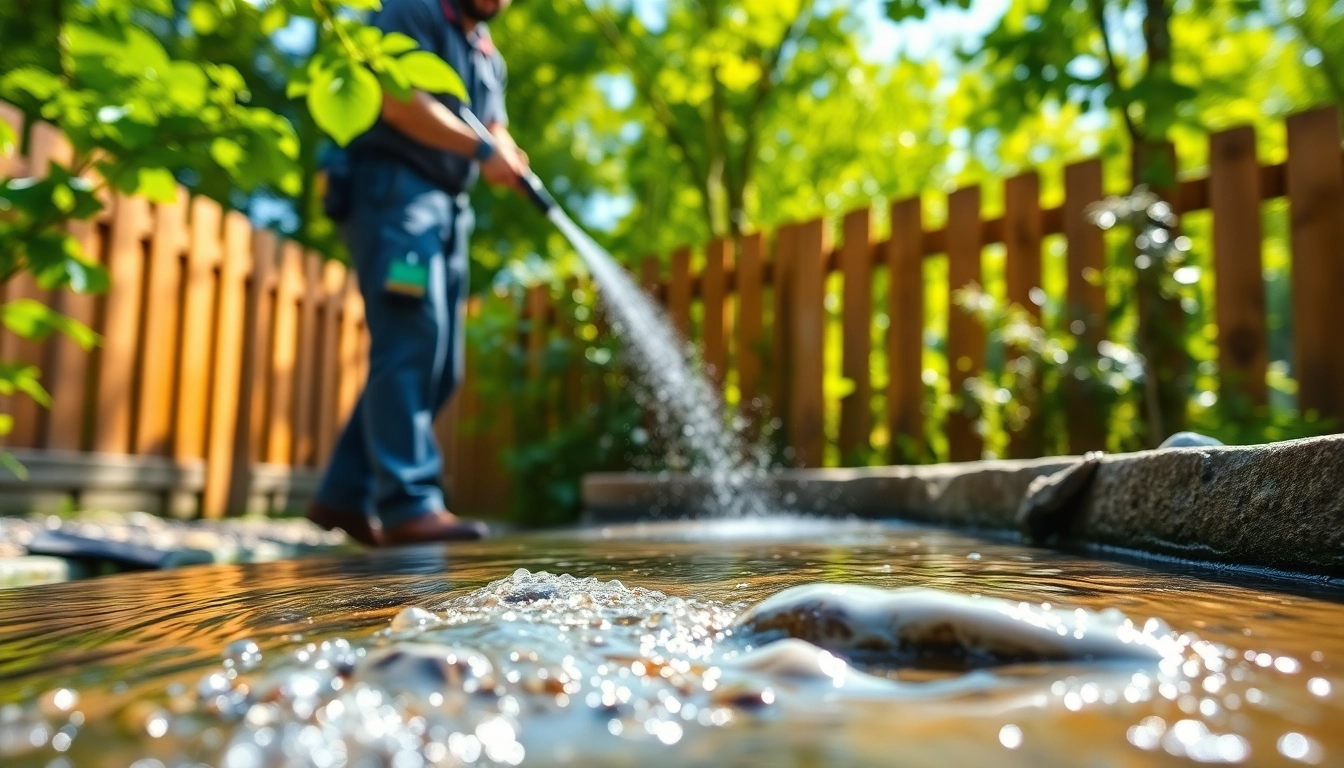
Using Pressure Washers Safely
Pressure washing can be an effective method for cleaning fences, especially for tough stains. However, improper usage can lead to damage:
- Choose the Right Nozzle: A lower-pressure nozzle is ideal for wooden fences to avoid splintering.
- Maintain Distance: Keep a distance of at least 12 inches to avoid damage from the spray.
- Use Caution on Vintage Fences: Older or painted fences are more susceptible to damage; consider using lower pressure or an alternative method.
Eco-Friendly Cleaning Solutions
For those who prefer sustainable cleaning options, consider the following eco-friendly solutions:
- Vinegar: A natural disinfectant, vinegar can be mixed with water to clean fences without harmful chemicals.
- Baking Soda: This can help eliminate odors and clean stains when mixed with water to form a paste.
- Oxygen Bleach: Unlike chlorine bleach, oxygen bleach is safer for the environment and less harsh on wood.
DIY Cleaning Techniques for Homeowners
Homeowners can tackle fence cleaning themselves using a few simple methods:
- Homemade Detergents: Mix one cup of dish soap with a gallon of water for a gentle cleaning solution.
- Scrubbing: Using a stiff-bristled brush, scrub the fencing, especially in areas with mildew or persistent stains.
- Rinsing: After scrubbing, rinse the fence thoroughly with water to remove any remaining detergent or debris.
Professional vs. DIY Fence Cleaning
Benefits of Hiring Professionals
While DIY methods are effective, hiring a professional can yield better results, especially for large or complex fencing:
- Expertise: Professionals know the best cleaning methods for different materials and conditions.
- Equipment: They have access to commercial-grade equipment, which can clean more effectively while being less likely to cause damage.
- Time-Saving: Hiring professionals saves you effort, allowing you to focus on other home maintenance tasks.
Cost-Effective DIY Methods
Should you choose the DIY route, there are many budget-friendly options to achieve that fresh and clean appearance:
- Gather Supplies: Most cleaning supplies can be found around your home, making DIY accessible.
- Share Equipment: Renting a pressure washer can be more cost-effective, especially if you do it occasionally.
- Work with a Partner: Cleaning with help can make the task faster and more efficient.
When to Call in Experts
Certain scenarios warrant bringing in professionals over DIY methods:
- If the fencing is very high or difficult to reach.
- For extensive damage, such as deep stains or mold that is not easily removable.
- In cases of significant structural concerns that could be exacerbated by pressure cleaning.
Post-Cleaning Care for Fences
Sealing and Protecting Your Fence
After cleaning your fence, you should take preventive measures to maintain its condition:
- Sealants: Use a water-repellent sealant on wood fences to prevent moisture damage.
- Pest Prevention: Consider treatments that deter insects from nesting in or damaging your wood fences.
- Inspect Regularly: Regular inspections can help you catch any potential issues before they escalate.
Choosing the Right Stain or Paint
For wooden fences, the finish you choose is critical to achieving durability and a nice appearance:
- Stains: Semi-transparent and solid stains provide different aesthetics and protection levels.
- Paint: While offering good protection, paint may require more upkeep than stains, leading to peeling and chipping.
- Test First: Always test a small section before applying to the entire fence.
Annual Maintenance Routines
To keep your fence in peak condition:
- Schedule a thorough cleaning every spring or fall, depending on your local climate.
- Apply sealants regularly, typically every 1-3 years.
- Perform regular inspections to identify any areas needing immediate attention.
FAQs on Fence Cleaning
How often should I clean my fence?
It's recommended to clean your fence at least once a year to maintain its appearance and extend its life. More frequent cleaning may be needed in humid climates or for fences with heavy staining.
Can I clean my fence during winter?
Cleaning during winter is not ideal, especially if temperatures are below freezing. Wait until the weather is warmer to avoid damaging the materials or creating additional ice hazards.
What’s the best solution for wooden fence cleaning?
A combination of mild detergent and water works well. For tough stains, consider using oxygen bleach for a more potent solution that is still safe for wood.
Is pressure washing safe for all fence types?
No, pressure washing can damage softer materials like wood if not done with care. Always test on a small area first, and consider lower-pressure options for delicate fences.
How much does professional fence cleaning cost?
The cost varies significantly based on the size and condition of the fence. Generally, expect to pay between $0.10 and $0.30 per square foot, including cleaning and any necessary treatments.