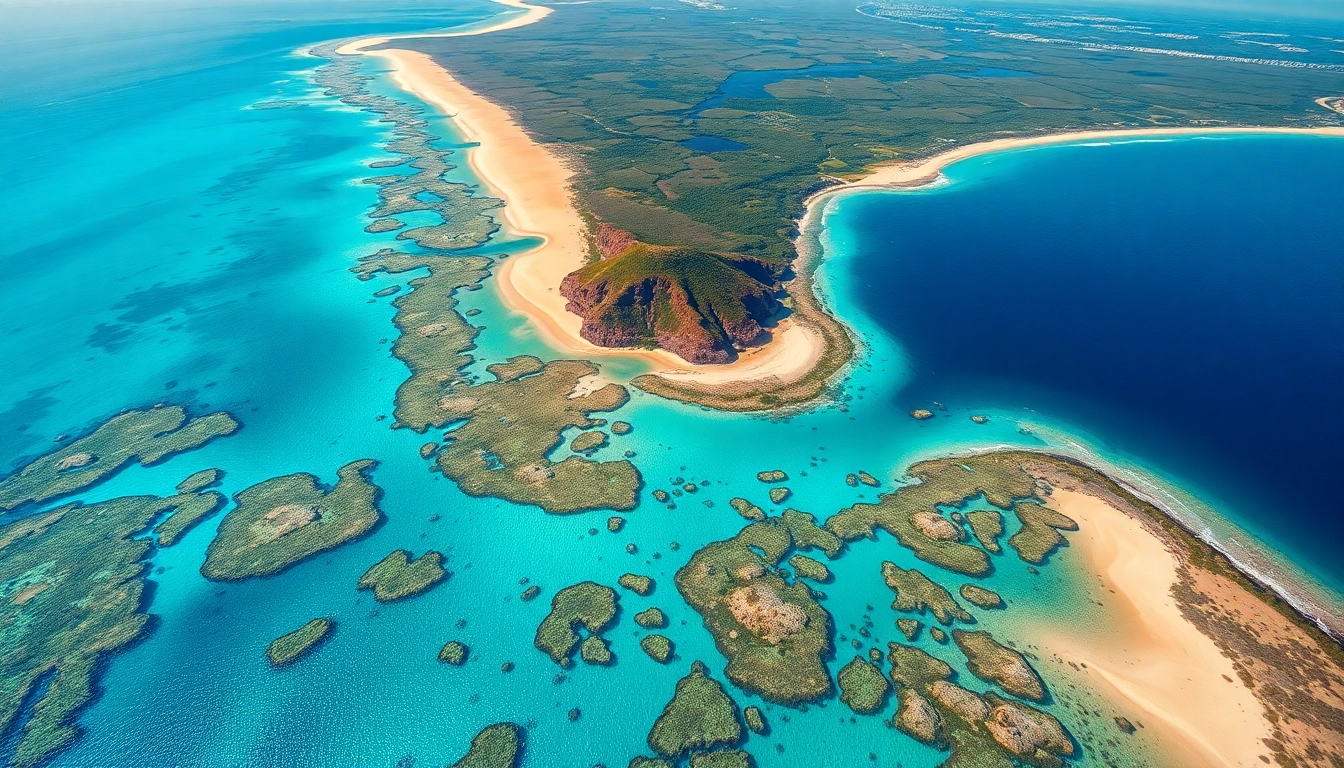
Introduction to Australia: A Land of Wonders
Australia, a country and continent surrounded by the Indian and Pacific Oceans, is often described as a land of contrasts and diversity. From its stunning natural vistas to bustling urban life, Australia offers a unique blend of experiences that captivates both residents and visitors alike. This article delves into the rich tapestry of Australia, exploring its geography, ecosystems, culture, tourism, economy, and societal challenges while offering practical insights for anyone interested in this fascinating land.
Geography and Climate of Australia
Australia's Unique Landscape
Australia is renowned for its distinct geographical features, encompassing vast deserts, coastal regions, forests, and mountains. The Great Dividing Range stretches along the eastern coast, separating fertile lands from arid outback areas. Iconic landmarks such as Uluru and the Great Barrier Reef showcase not only stunning landscapes but also the ecological diversity that exists across the continent.
Climate Variations Across Regions
Australia’s climate is as varied as its geography. The northern region experiences a tropical climate with humid summers and mild winters, while the south enjoys a temperate climate, featuring four distinct seasons. Knowing the climate of the areas you wish to explore can enhance your experience, making it essential for travelers to plan accordingly.
Diverse Ecosystems Across Australia
Flora and Fauna Variety
Australia is home to over a million species of plants and animals, many of which are found nowhere else on Earth. The unique biodiversity is attributed to the continent's long isolation from other landmasses. Renowned for its marsupials, including kangaroos and koalas, Australia also boasts spectacular marine life in coral reefs and diverse ecosystems within rainforests.
National Parks and Conservation Efforts
The country has over 500 national parks which protect its rich biodiversity and unique habitats. Sites like Kakadu National Park offer stunning landscapes and are crucial for the conservation of Australia's flora and fauna. These parks also provide opportunities for eco-tourism, allowing visitors to experience the natural beauty while contributing to conservation efforts.
Culture and Heritage in Australia
Indigenous Culture
The Indigenous peoples of Australia, including Aboriginal and Torres Strait Islander communities, have a cultural heritage that extends back over 65,000 years. Their traditions, stories, and art contribute significantly to the nation’s cultural identity, reflecting a deep connection to the land and environment.
Modern Australian Society
The contemporary culture of Australia is a melting pot of influences from its Indigenous heritage, British colonial history, and a multitude of immigrant communities. This multicultural backdrop is celebrated through festivals, cuisine, and the arts, making Australia an exciting place for cultural exploration.
Tourism and Travel Insights for Australia
Top Destinations in Australia
Australia boasts an array of travel hotspots that cater to all kinds of adventurers. Cities such as Sydney, Melbourne, and Brisbane are famous for their urban attractions, while destinations like the Gold Coast and the Whitsunday Islands offer stunning beaches and water activities. Each region presents its own unique charm and activities, ensuring that there’s something for everyone.
Best Times to Visit Australia
The ideal time to visit Australia largely depends on the specific regions travelers plan to explore. Generally, spring (September to November) and autumn (March to May) are the best seasons, providing moderate temperatures and less rainfall. However, specific attractions may have optimal visiting times, such as winter for skiing in the Snowy Mountains.
Sustainable Travel Practices in Australia
Australia emphasizes sustainable tourism initiatives aimed at protecting its natural environments. Visitors can participate in eco-friendly practices, such as using public transport, supporting local businesses, and respecting wildlife habitats. Tour operators now offer experiences that highlight conservation, ensuring that tourism benefits both people and the planet.
Understanding Australia’s Economy and Lifestyle
Key Industries in Australia
Australia's economy is characterized by its diverse range of industries, including mining, agriculture, tourism, and education. The mining sector contributes significantly to exports, while agriculture enhances food security with products like wheat, beef, and wine. Additionally, the education sector has risen as an important income source, attracting international students from around the globe.
Standard of Living in Australia
Australia is known for its high standard of living, evident in its strong economy, education system, and healthcare services. The quality of life is complemented by a robust social security system, but living costs can be high in major urban areas, necessitating careful financial planning for both residents and newcomers.
Healthcare and Education Systems in Australia
Australia offers a comprehensive healthcare system through Medicare, providing access to essential medical services. The education system, featuring primary, secondary, and tertiary levels, is also highly regarded, with a focus on quality education and inclusivity, catering to diverse student needs.
Common Challenges and Solutions in Australia
Cost of Living in Major Cities of Australia
Living costs in cities like Sydney and Melbourne can be daunting. Housing prices are particularly high, pushing many to seek out alternative housing options or even relocate to suburban or regional areas. Understanding budgeting, public transport, and local markets can help mitigate these expenses.
Environmental Concerns in Australia
Australia faces significant environmental challenges, including climate change, deforestation, and biodiversity loss. Increased awareness and grassroots movements have emerged to combat these issues, urging both government and individual action towards more sustainable practices and policies. By engaging in community initiatives, everyone can contribute to environmental preservation.
Cultural Integration and Multiculturalism in Australia
Australia's multicultural society brings immense strength but also challenges related to cultural integration. Programs and community initiatives are essential for fostering understanding and collaboration among diverse groups. Promoting inclusiveness can enhance social cohesiveness and ensure that all voices are heard in Australian society.
Frequently Asked Questions about Australia
What are the must-visit landmarks in Australia?
Must-visit landmarks include the Sydney Opera House, Uluru, Great Barrier Reef, Daintree Rainforest, and the Twelve Apostles along the Great Ocean Road. Each offers unique experiences reflecting Australia’s diverse natural and cultural heritage.
How diverse is Australia’s wildlife?
Australia has an extraordinary variety of wildlife, including unique species like kangaroos, koalas, and platypus. This biodiversity is largely due to its long geographical isolation and varying ecosystems, providing habitats for a wide range of animal life.
What should I know about the Australian climate?
The Australian climate varies greatly from tropical in the north to temperate in the south. Visitors should prepare for regional differences and seasonal changes, ensuring they pack appropriately for their travel destinations.
How can I travel sustainably in Australia?
To travel sustainably in Australia, opt for eco-friendly accommodation, use public transport, reduce waste, and respect local wildlife. Engaging in tours that support conservation efforts further enhances your sustainable travel experience.
What is the average cost of living in Australia?
The average cost of living in Australia varies by region; major cities like Sydney are more expensive than rural areas. Costs include housing, transportation, food, and healthcare, making budgeting essential for both residents and visitors.