Understanding Above-Ground Storage Tank Design
Above-ground storage tanks (ASTs) play a vital role in the safe and efficient storage of various liquids, including fuels, chemicals, and water. This comprehensive guide offers an in-depth exploration of the factors involved in effective Above-Ground Storage Tank Design, encompassing basic concepts, critical design standards, material selection, safety protocols, and emerging trends. Whether you are an engineer, safety officer, or facility manager, understanding these components is essential for successful tank installations and operations.
Basic Concepts and Types of Tanks
Above-ground storage tanks come in various designs and materials, each tailored to specific storage needs and environmental conditions. Common types include:
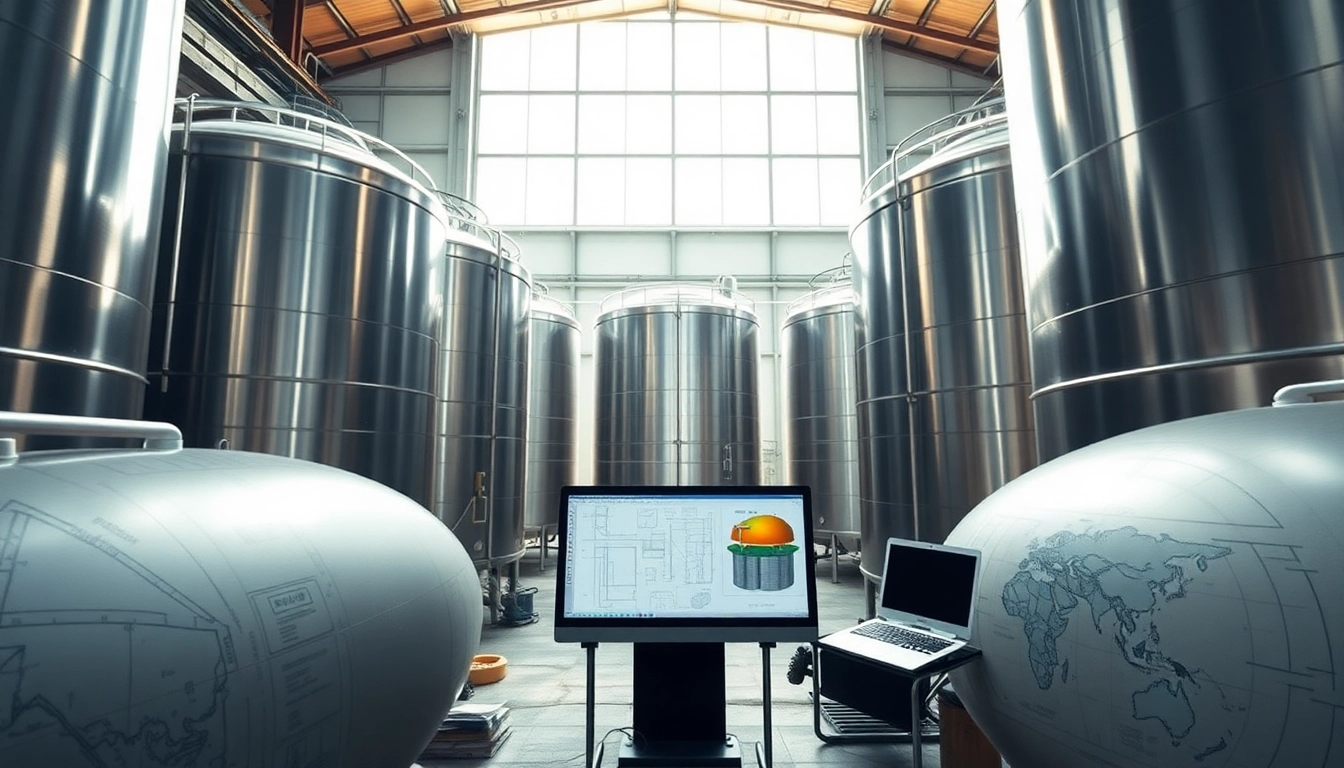
- Vertical Tanks: These are typically cylindrical and designed for bulk liquid storage. They maximize volume while minimizing footprint.
- Horizontal Tanks: Employed where height restrictions exist, these tanks offer a stable design and are often used for lower volume storage.
- Double-Walled Tanks: Featuring two walls, these tanks provide an additional layer of protection against leaks or spills.
- Specialty Tanks: Designed for specific fluids (e.g., corrosive materials), these tanks use unique materials and construction techniques to prevent degradation.
Design Standards and Regulations
The design of above-ground storage tanks must adhere to strict industry standards that ensure safety and environmental compliance. Key standards include:
- API 650: This American Petroleum Institute standard governs the design and construction of welded storage tanks for petroleum products.
- ASTM D3299: This standard applies to the design of tanks for the storage of various hazardous materials and ensures that constructions are resilient against corrosion.
- SPCC Regulations: Under the U.S. EPA regulations, facilities with aboveground tanks must implement Spill Prevention, Control, and Countermeasure plans to prevent potential spills.
Critical Design Considerations
Safety Protocols in Tank Design
Safety is paramount in tank design. Incorporating the following protocols can mitigate risks:
- Overfill Prevention: Implement systems that alert operators when tanks reach capacity to avoid spills.
- Leak Detection Systems: Utilizing sensors to detect liquid leaks can help prevent environmental damage and ensure rapid response.
- Emergency Shutdown Procedures: Incorporating automated shutdowns can prevent catastrophic failures during emergencies.
Environmental Impact and Compliance
Minimizing environmental impact is crucial in the design and operation of ASTs. Key considerations include:
- Site Location: Analyzing potential environmental effects based on proximity to water bodies and populated areas.
- Containment Systems: Designing secondary containment measures, such as dikes and catch basins, to prevent spills from affecting the surrounding environment.
- Regular Compliance Assessments: Conducting audits to ensure ongoing compliance with environmental regulations can mitigate potential legal issues.
Tank Size and Capacity Planning
Determining the appropriate size and capacity of a storage tank involves understanding both short-term needs and long-term growth. Important factors include:
- Usage Rates: Analyzing historical data on liquid usage can provide insights into optimal storage volumes.
- Future Forecasting: Considering potential expansion needs to avoid costly upgrades or replacements.
- Local Regulations: Compliance may dictate minimum or maximum tank sizes based on storage type or location.
Implementation Steps for Effective Design
Site Assessment and Preparation
A thorough site assessment is necessary prior to tank installation. Steps include:
- Geotechnical Studies: Conducting soil tests to determine structural integrity and suitability for storing heavy tanks.
- Environmental Impact Studies: Assuring compliance with local regulations ensures that all environmental concerns are addressed prior to construction.
- Access and Infrastructure Planning: Ensuring access for construction and transportation while planning for adequate operational logistics.
Engineering and Design Phases
Effective design involves several stages:
- Initial Design Proposals: Generating multiple designs for client review based on requirements gathered during the assessment phase.
- Detailed Engineering Plans: Finalizing tank specifications, materials, and construction methods.
- Regulatory Submissions: Submitting design plans to relevant authorities for approval based on local regulations.
Construction and Installation Process
The final construction and installation of above-ground storage tanks involve several key steps:
- Site Preparation: Clearing and leveling the site, along with proper grading for drainage.
- Foundation Installation: Pouring a stable base designed to withstand the weight of the tank when fully loaded.
- Tank Erection: Careful assembly of the tank components, with strict monitoring of structural integrity during installation.
Maintaining Above-Ground Storage Tanks
Regular Inspection and Maintenance Practices
Routine maintenance ensures longevity and safety. Recommended practices include:
- Visual Inspections: Regular checks for rust, corrosion, and structural damage.
- Leak Testing: Conducting tests at established intervals to ensure there are no leaks that can compromise safety or environmental standards.
- Scheduled Maintenance: Establishing a maintenance calendar that includes tank cleaning, repairs, and regulatory compliance checks.
Challenges and Common Issues
Common challenges faced in maintaining ASTs include:
- Corrosion: Shielding tanks with protective coatings and using corrosion-resistant materials can help minimize wear.
- Legal Compliance: Staying updated with constantly changing regulations requires continual education and monitoring.
- Environmental Hazards: Developing emergency response plans can mitigate risks posed by potential spills and leaks.
Lifecycle Management and Upgrades
Effective lifecycle management ensures that tanks remain functional and compliant throughout their lifespan:
- Performance Tracking: Gathering data on tank performance to inform future upgrades and replacements.
- Technological Integration: Utilizing advanced technologies for monitoring and inspection can enhance safety and operational efficiency.
- End-of-Life Planning: Strategies for decommissioning tanks can streamline the transition to new storage solutions while ensuring compliance.
Future Trends in Storage Tank Design
Innovations and Technological Advances
The storage tank industry is continually evolving with new technologies that enhance safety and efficiency:
- Smart Sensors: Innovations in monitoring technology allows real-time analysis of tank conditions, leading to proactive maintenance.
- Modular Designs: These flexible designs can be adapted for various sizes and usages, accommodating diverse needs.
- Advanced Materials: The development of lightweight and corrosion-resistant materials can significantly extend the lifespan of tanks.
Sustainable Practices in Tank Design
There is a burgeoning focus on sustainability within the industry:
- Recyclable Materials: The adoption of materials that can be easily recycled contributes to environmental responsibility.
- Energy Efficiency: Designing tanks that require less energy for operation and maintenance helps reduce carbon footprints.
- Green Certifications: Standards such as ISO 14001 encourage environmental management practices, enhancing a facility's reputation.
Regulatory Changes and Their Effects
Regulatory landscapes are continually shifting, making it essential for facility managers to stay informed:
- Increased Penalties: As regulatory compliance becomes more stringent, higher fines for violations are expected, necessitating non-compliance monitoring systems.
- Expanded Reporting Requirements: Facilities may need to adapt to additional documentation and transparency in reporting tank performance and environmental impact.
- Emerging Technologies Regulation: New technologies will likely introduce regulatory challenges that must be monitored closely to ensure compliance.
Frequently Asked Questions
What are the key elements of above-ground storage tank design?
Key elements include material selection, compliance with regulatory standards, safety protocols, and environmental impact assessments to ensure effective and safe storage.
What materials are commonly used in above-ground storage tanks?
Typical materials are steel, fiberglass, and polyethylene. Each is chosen for durability, corrosion resistance, and suitability for various liquid storage needs.
How often should above-ground storage tanks be inspected?
It's recommended that above-ground storage tanks undergo inspections at least annually to ensure compliance with safety standards and identify maintenance needs.
What is the lifespan of an above-ground storage tank?
The lifespan varies, typically 20 to 30 years for polyethylene tanks and 40 years or more for steel or fiberglass tanks, heavily influenced by maintenance practices.
Are there regulatory requirements for above-ground storage tanks?
Yes, ASTs are regulated by various federal and state laws covering safety, environmental impact, spill prevention, and compliance measures to protect public health.